According to the Vietnam Banking Association, currently, Vietnamese banks are paying for Visa and MasterCard 3-4 fees per transaction. The situation of “superposition charge” partly affects the card business of banks, hindering the process of promoting non-cash payment.
According to statistics, currently Vietnamese banks are paying for Visa, MasterCard 3-4 charges per transaction. The situation of “superposition charge” partly affects the card business of banks, hindering the process of promoting non-cash payment.
Recently, the Vietnam Association of Banks has sent a document to Visa and MasterCard – two international card organizations with a large market share of the request for exemption and reduction of fees to support banks in the Vietnamese market.
Facility to reduce fees for customers
In fact, the complicated development of COVID-19 has greatly affected the business activities of banks in Vietnam, including international credit card business. For the issuance segment, sales of cards of the group of major banks has continuously decreased since the beginning of the year until now. As of March 2020, domestic card usage has decreased by 21% and card usage overseas by 28% compared to the same period in 2019.
For the payment segment, card payment sales plummeted over the months, especially in the first week of April 2020. The average payment turnover decreased by 78% over the same period and by 93% compared to March 2020.
Talking to the News reporter, VietinBank representative shared: Before the complicated situation of the COVID-19 epidemic from the beginning of the year until now, in order to support customers, VietinBank has implemented many policies on card fee exemption and reduction. regarding payment activities. Specifically, VietinBank has cooperated with Napas to waive and reduce fees for transfer transactions on the iPay system. However, due to the impact of the COVID-19 epidemic, especially in the time of social isolation, the shopping and spending needs of customers were limited, so the sales volume via bank cards dropped sharply. .
Despite the sharp decline in card issuance and payment in Vietnam market, Visa and MasterCard are still applying a complex fee collection mechanism, collecting too many fees for a single transaction.
According to information from the Vietnam Banking Association, for example, with a card transaction, Visa and MasterCard may collect fees such as licensing fees, brand fees, expenses in / outside Vietnam, service fee … Due to the high fee, the payment banks must collect from the corresponding accepting card unit.
When Visa, MasterCard international credit cardholders use the card for payment, the card accepting unit must pay the corresponding fee of about 2 – 2.5% of the transaction value to the paying bank. And it is the customers who are influenced by the chain of high fees from international card organizations.
Prior to that fact, the member banks of the Vietnam Bank Association proposed that Visa and MasterCard should have solutions and policies to support fee reduction for Vietnamese banks (at least applied for 12 months). In the long term, it is necessary to consider appropriate fee policies to support the development of Vietnam’s card market in a more stable and efficient manner.
Specifically, commercial banks proposed a minimum of 50% reduction of transaction processing fees for both payment banks and issuing banks. At the same time, it is necessary to apply the mechanism of collecting a single fee for a transaction, limiting the situation of over-collection charge; only charge for successful transactions, not for defective transactions.
For exchange fees, the Vietnam Banking Association also recommends a free Visa, MasterCard for groups of merchants that are affected by disease, not service providers (hospitals, schools, public expenditure services …), 50% reduction for service businesses and other groups, 70% reduction of transaction processing fees that these two organizations collect from banks Visa and MasterCard cards in Vietnam to compensate for the damage caused by the EIA reduction policy in the EEA region.
“With the scale of payment sales being in the top of the market, the cost of paying VietinBank’s card organizations (especially Interchange costs) is up to trillions of dong per year. If Visa, MasterCard consider waiving and reducing these fees, it will help the bank reduce cost pressures, benefit customers and improve the efficiency of payment operations ”- a representative of VietinBank added.
Focus on developing card technology
Currently international cards bearing the brand Visa, MasterCard account for over 70% of the market. Therefore, if Visa and MasterCard implement fee exemption or reduction, banks will have conditions to reduce fees for points of payment acceptance, promoting non-cash payment. Besides, in order for customers to be “more salty” with the use of cards in shopping and consumption, the focus on developing card technology is the necessary work to bring users the best experience.
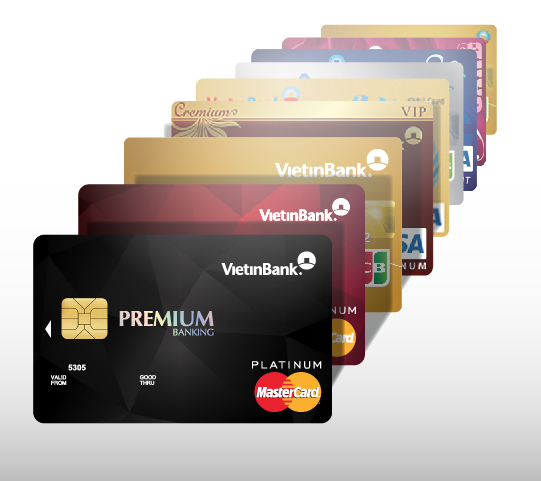
In Vietnam, VietinBank is the pioneer bank in applying new technology, sensitive to the inevitable trend of card payment. Right from May 2012, VietinBank officially issued an international credit card EMV Cremium – a smart card with a microprocessor like a multifunctional miniature computer and application …
In order to enhance the security for online payment transactions of international cardholders, from September 2018, VietinBank has officially implemented the 3D Secure feature for Visa cards. With high security ability, 3D Secure contributes to the peace of mind for cardholders when making transactions; at the same time, maximum protection of cardholders’ benefits, limiting risks such as information theft and card fraud when making online transactions.
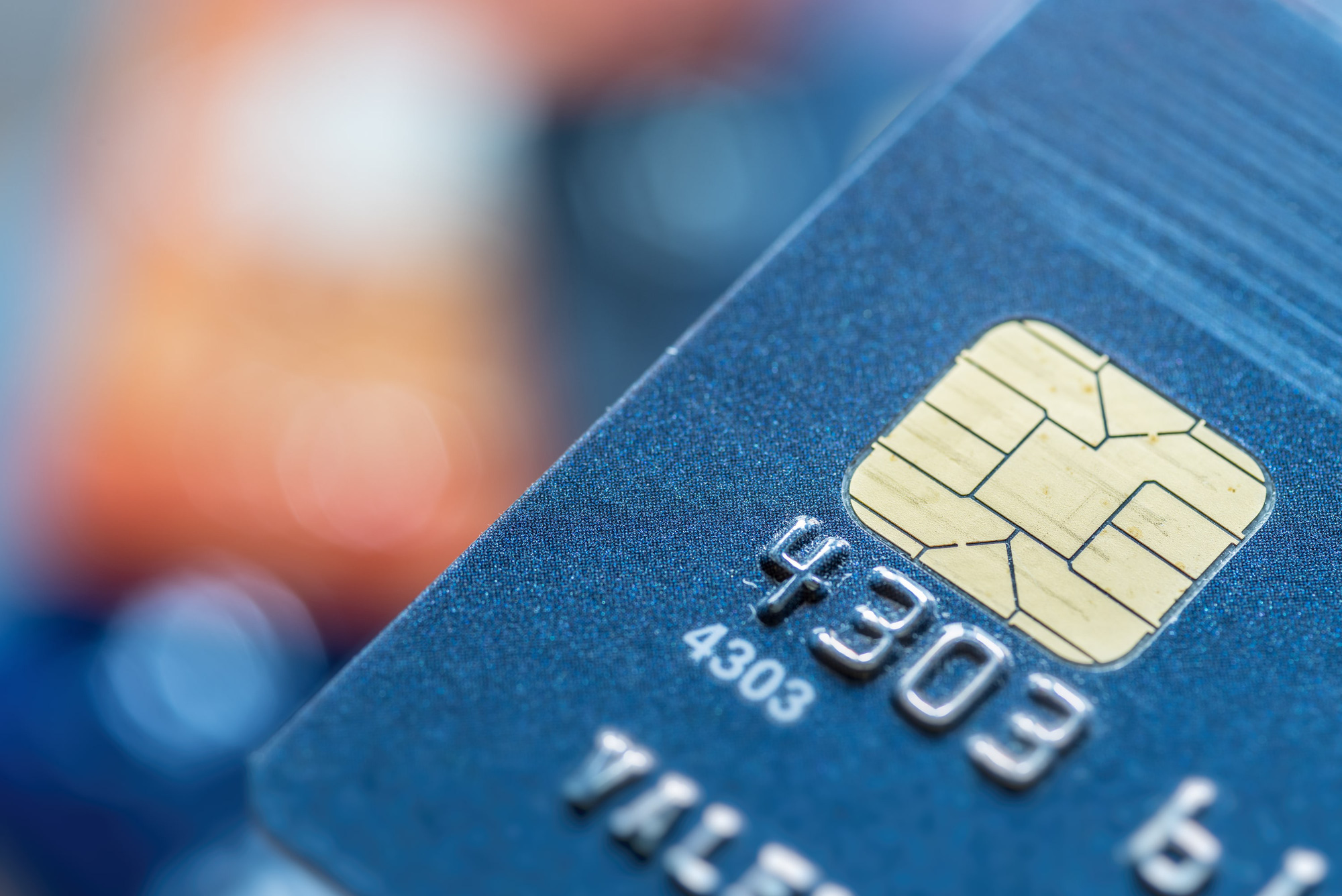
Currently, VietinBank is also one of the first 7 banks to convert magnetic cards into chip cards in Vietnam. The conversion of magnetic cards to chip cards will increase security, safety and faster payment speed for customers. Using chip cards also limits Skimming cards (stealing ATM card information) and other risks. In addition, through memory, the chip card has the potential to store personal information, insurance information, application information connecting payment expansion to fields, aiming to become a versatile card in the future. hybrid.
In addition, VietinBank also develops a variety of card products, suitable for many customer segments such as Visa Signature Card, JCB Ultimate Card for high-end customers; Platinum Mastercard for priority customers; Platinum cards, Classic cards for office customers, ordinary customers … Becoming VietinBank cardholders, customers enjoy the extremely rich incentive ecosystem: Hotel travel, dining, restaurant, shopping, entertainment , education, 0% interest installments…
Source of original article: https://baotintuc.vn/doanh-nghiep-doanh-nhan/giam-phi-the-quoc-te-se-thuc-day-thanh-toan-khong-dung-tien-mat-tai -viet-nam-20200512152830380.htm
Tin tức khác
Thẻ chip (Chip card) là gì? Tại sao nên dùng thẻ chip thay cho thẻ từ?
Thẻ chip (tiếng Anh: Chip card) là thẻ ghi nợ hoặc thẻ tín dụng bằng nhựa có kích thước theo tiêu chuẩn và chứa một con chip nằm ở mặt trước thẻ. Thẻ chip (Chip card) Khái niệm Thẻ chip trong tiếng Anh có nhiều cách gọi như Chip card, smart cards, chip-and-pin cards, chip-and-signature cards, Europay
Xem chi tiết
Ensuring Vietnam’s digital payment security
Payment boom without cash In recent years, Vietnam has seen an explosion of cashless payment methods, including credit cards, Internet Banking, e-wallets and other digital payment applications. Vietnamese consumers are increasingly actively accepting digital payments because of the convenience and speed of payment, so this payment method is used more frequently in direct door-to-door transactions.
Xem chi tiết
Thẻ chip EMV là gì? Tại sao nên dùng EMV thay cho thẻ từ?
Khi rút tiền/thanh toán bằng thẻ chip EMV thì bạn chỉ mất vài giây để giao dịch hoàn tất, thực tế quy trình xử lý giao dịch của nó rất phức tạp nên nó có bảo mật cực kỳ cao. Thẻ chip EMV là gì? EMV là viết tắt của Europay, MasterCard, Visa. Đây là liên
Xem chi tiết
Bảo mật 3D trên thẻ ngân hàng là gì – An toàn – 2020
Nhiều người hâm mộ mua sắm trực tuyến thường xuyên bắt gặp một hệ thống bảo mật 3D-Secure đặc biệt được phát triển dành riêng cho khách hàng hệ thống thanh toán quốc tế Visa và sau đó cho người dùng MasterCard. Nhưng 3D-Secure là gì? Làm thế nào để kết nối nó? Ưu điểm
Xem chi tiết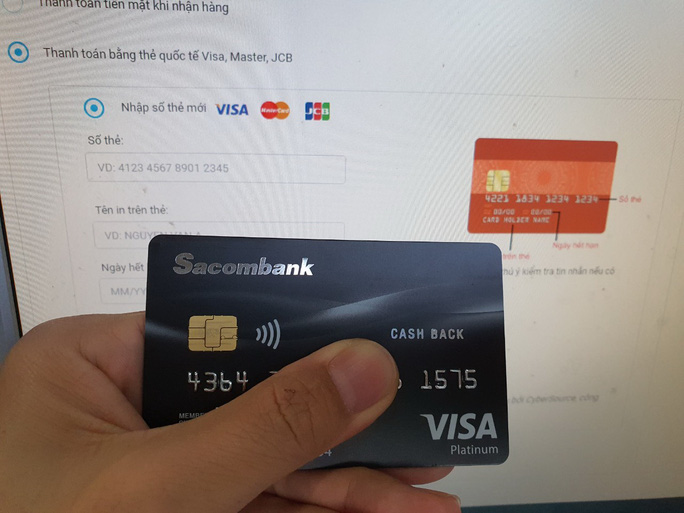
Đại dịch Covid-19 tạo cơ hội thúc đẩy sự phát triển của thanh toán điện tử
Thời gian đại dịch Covid-19 lây lan là giai đoạn khó khăn cho cả nền kinh tế nói chung và lĩnh vực tài chính ngân hàng nói riêng nhưng nó cũng tạo ra cơ hội thúc đẩy sự tăng trưởng của các hình thức thanh toán điện tử. Tổ chức tài chính ngân hàng và
Xem chi tiết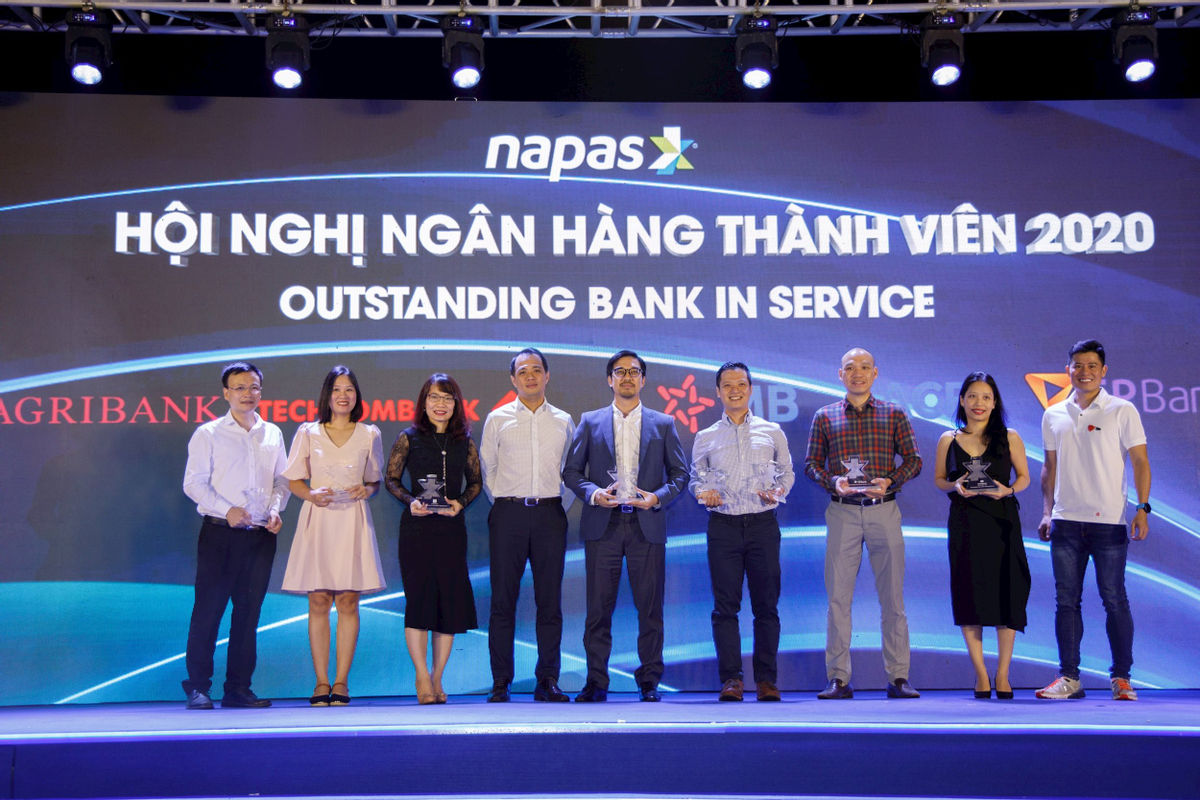
COVID-19: An opportunity for breakthrough non-cash payment services
According to the Vietnam National Payment Joint Stock Company (NAPAS), by 2020, the number of fast money transfers 24/7 surpassed the number of ATM withdrawals and accounted for nearly 66.6% of the total. the number of transactions processed by the NAPAS system. On November 13, Vietnam National Settlement Joint Stock Company (NAPAS) held the 6th
Xem chi tiết