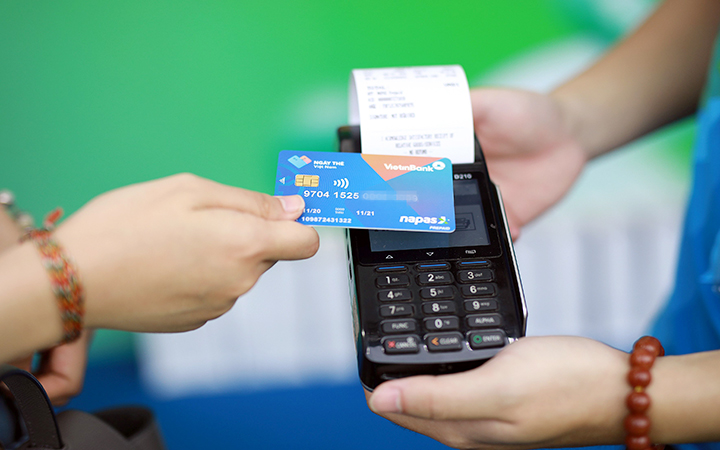
The current trend in the world is to convert to chip cards to enhance security and security for bank cards. Vietnam can also not be out of this trend when banks are making positive moves, applying domestic chip card standards throughout the system. Increased utility and safety for the card According to the roadmap set out in the Circular No. 41/2018 / TT-NHNN of the State Bank of Vietnam (SBV) on bank card operations, by the end of 2020, 100% of ATMs and card acceptance devices at The point of sale is operating in Vietnam and as of December 31, 2021, 100% of cards with BINs currently in circulation by the State Bank of the card issuer must comply with the basic standard of domestic chip cards. Napas Chairman Nguyen Quang Hung said that the benefits and transparency of chip cards bring great benefits to the economy and people. Therefore, following the direction of the State Bank of Vietnam on domestic chip card standards, Napas and banks are now focusing on converting magnetic cards to domestic chip cards. By October 2020, 36 banks have prepared technology to issue chip cards, along with 19 technology-ready units for banks to issue cards and make card payments. Joint Stock Commercial Bank for Foreign Trade of Vietnam (Vietcombank) is one of the first banks in the market to launch new issuance and convert the domestic debit card technology to contactless chip technology (Chip Contactless) and improve card payment machine system (EDC) as well as ATM system in the whole system to ensure the acceptance of chip cards according to the set of basic standards. According to Director of Vietcombank Card Center Nguyen Hong Van, so far Vietcombank has issued and converted more than a million Contactless chip cards and upgraded more than 50% of the EDCs, nearly 70% of ATMs accept chip cards according to the basic standard. department in the whole system. Also at the Vietnam Bank for Agriculture and Rural Development (Agribank), from May 20, the bank officially issued a wide-spread nationwide chip card system that does not contact VCCS standard. Agribank’s leaders said that in the face of increasing high-tech crime, the issue of ensuring safety and security in card payment is particularly interested by Agribank as well as cardholders. Therefore, the introduction of domestic chip cards has met the requirements, increasing safety. At the same time, Agribank’s ATM / CDM / POS has completed the update feature of contactless domestic and international chip card payment acceptance to support customers with transactions. Accelerate the transition It can be said that the conversion of domestic chip cards is an inevitable current development trend in the context of increasing high-tech crime and focusing on markets that have not yet implemented chip technology transformation. Therefore, the State Bank of Vietnam also requested the Vietnam Bank Card Association, banks, Napas and related units to cooperate more closely and actively to accelerate the process of converting domestic chip cards in accordance with the roadmap. submit to the State Bank for promulgation. Along with that, the conversion must still ensure continuous, stable and safe card operation. At the same time, it is necessary to ensure the legitimate interests of cardholders during the conversion process. However, despite actively implementing the transition from magnetic cards to chip cards, banks are also facing many difficulties in this process. Chairman of the Vietnam Bank Card Association Dao Minh Tuan said that the number of cards in circulation by the end of June 30 was almost unchanged compared to the end of 2019, due to the impact of Covid-19 translation, so the number of cards issued new issue in the first six months of 2020 only reached 10 million cards. Meanwhile, the number of cards in circulation by the end of 2019 reached more than 100 million cards (newly issued 22 million cards), an increase of 16.5 million cards compared to 2018. In addition, in the first six months of this year, the speed increased growth in card sales in the whole market decreased to 9% (the total number of card sales in the whole market in 2019 increased by 24%); sales growth using domestic cards decreased to 6% (growth of 19% in 2019); sales of using international cards still increased well at 22% (47% increase in 2019).
On the other hand, the costs related to the process of converting domestic chip cards according to the roadmap are huge, such as: cost of new ATM / POS equipment, cost of modifying and upgrading the card system / card personalization system. , terminal equipment, time, human resources, especially the cost of purchasing card billets (up to hundreds of billion VND) because the price of chip card billets under VCCS standards is many times higher than the price of ordinary magnetic card billet. Therefore, banks have difficulty in calculating cost-effectiveness balances to approve procurement investments according to regulations. The level of competition and supply capacity of the embryo suppliers is not high enough, not enough to meet the sudden increase in demand of all banks. Vietcombank Card Center director Nguyen Hong Van added that the biggest challenge facing banks in the process of converting magnetic cards to chip cards is the cost issue. Therefore, for banks with a large number of circulating cards, EDC and ATM systems as large as Vietcombank, the challenge is even greater. However, in order for the implementation of chip cards to be carried out smoothly and on schedule, Vietcombank currently maintains the policy of free conversion for customers from magnetic cards to chip cards. In addition, the implementation of the conversion also depends on the willingness and cooperation of domestic cardholders. However, up to now, the concept of chip cards in general, contactless chip cards in particular is still quite new to people, at the same time, the card payment infrastructure of this type and the domestic network of accepting domestic chip cards in general is still limited. also hindered the conversion progress and roadmap of banks. Not to mention, the number of qualified card embryo suppliers is small, currently only three units meet the technical requirements of domestic chips, certified by Napas as Gelmato, MK and Idemia. Facing the above difficulties and problems, the Vietnam Bank Card Association requested the SBV to extend the transition schedule for both card issuance and payment (ATM / EDC) segments due to the amount of domestic cards that need to be transferred. The number of ATM / EDC that need to be purchased / replaced / upgraded in the market is very large; propose to the State Bank to consider and adopt specific policies and support plans, such as: considering and adjusting the scope of card types for compulsory conversion; not converting and not required to issue chip cards for the student affiliate card line, the partner affiliate card with narrow scope of use; consider and coordinate relevant departments and agencies to develop an appropriate fee pricing mechanism for card embryo suppliers for banks in the period of implementing domestic card conversion; Develop and soon promulgate regulations on the shift of liability when risk arises for domestic chip cards (liability shift law) to ensure benefits, to avoid risks for banks actively implementing issuance and converting local chip cards, thereby serving as a driving force to speed up the transition implementation. Source: https://nhandan.com.vn/tin-tuc-kinh-te/tich-cuc-chuyen-doi-the-tu-sang-the-chip-626270/
Tin tức khác
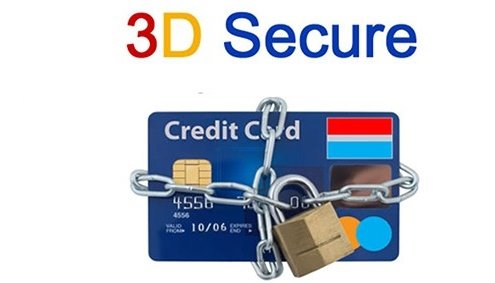
Ưu điểm của công nghệ bảo mật 3D-Secure 2.0
3D-Secure là lớp bảo vệ tăng cường cho chủ thẻ Vietcombank giúp tăng cường độ an toàn, bảo mật và thuận tiện khi giao dịch trực tuyến. Với phương thức này, khi thực hiện các giao dịch trên website thương mại điện tử, bên cạnh các bước xác thực thông thường, Vietcombank sẽ gửi thêm
Xem chi tiết
Procedures to be issued with chip-attached citizen identification card
As a rule, when people make ID cards, they add chips in 4 convenient and fast steps. According to lawyer Nguyen Van Tien (Hanoi Bar Association), to create favorable conditions for citizens in the implementation of transactions, administrative reform towards the implementation of E-Government, Digital Government, Ministry of Public Security encourage citizens to change to
Xem chi tiết
Dịch Covid-19 ảnh hưởng thế nào đến ngành công nghệ toàn cầu?
Virus Corona chủng mới gây dịch Covid-19 đang giáng một đòn nặng vào nền kinh tế toàn cầu với hậu quả cực kỳ nghiêm trọng, vượt xa các trận dịch trước đây. Năm 2003, khi đại dịch SARS bùng phát ở Trung Quốc rồi lan ra cả thế giới (làm 8.096 người nhiễm bệnh và gây tử vong cho 774 người) đã làm
Xem chi tiết
Electronic payment dominated
Many people opt for non-cash payments when shopping for goods or services during the time of Covid-19 outbreak. Banks scrambled to lower the floor fee for people to increase their use of electronic banking services. Change habits, psychology of people In order to promote cashless payment, the State Bank decided to exempt and reduce service
Xem chi tiết
Phòng tránh dịch Covid-19: Miễn, giảm phí thanh toán điện tử
Tiếp tục các giải pháp thiết thực hỗ trợ người dân, doanh nghiệp phòng tránh dịch viêm đường hô hấp cấp (dịch virus nCoV/Covid-19), Ngân hàng Nhà nước đã áp dụng chính sách miễn, giảm phí dịch vụ thanh toán. Tiếp tục các giải pháp thiết thực hỗ trợ người dân, doanh nghiệp phòng tránh
Xem chi tiết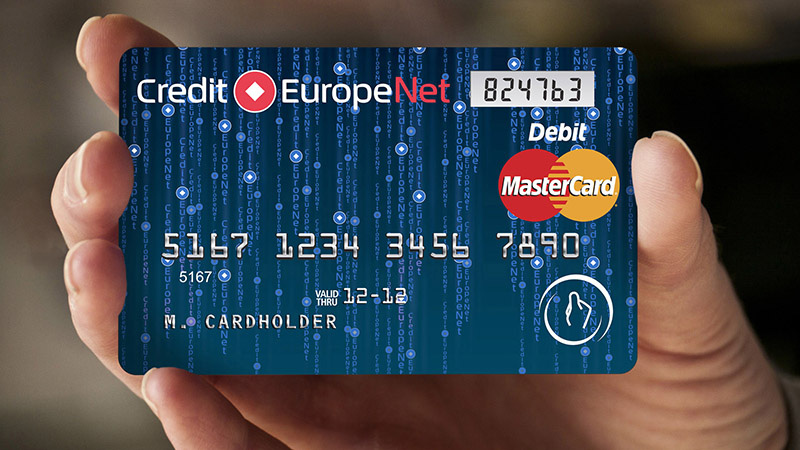
Thẻ MasterCard (MasterCard card) là gì? Những điều cần biết về thẻ Mastercard
Thẻ MasterCard (tiếng Anh: MasterCard card) là bất kì thẻ thanh toán điện tử nào sử dụng mạng MasterCard để xử lí các thông tin giao dịch. Chúng có thể là thẻ tín dụng, thẻ ghi nợ hoặc thẻ trả trước. Thẻ MasterCard (MasterCard card) Khái niệm Thẻ MasterCard trong tiếng Anh là MasterCard card. Thẻ MasterCard là
Xem chi tiết