Many countries around the world have been converting smart card usage into many different service industries such as Sim cards integrated payment in telecommunications, applications in automating bus ticket payment. , tram in the transport, electronic identity cards in the field of state management or the type of payment card of the banking industry ….
With more and more applications in various industries, smart card market is growing rapidly in the past few years. Smart cards are used most in telecommunications as a SIM card. However, applications in many other fields such as transportation, government, financial services are also invested and deployed because of the outstanding advantages of smart cards such as large data storage capacity, fast processing. Quick and effective data security methods.
According to RNCOS’s “Card Market Forecast to 2012” report, smart cards grew more than 10% in 2010 compared to 2009, in which the market was largely held by four major companies, Gemalto, Oberthur, Sagem Orga (Ingenico) and Giesecke & Devrient. Also according to this report, the number of smart card projects also increased worldwide with a high degree of diversity and high technology demand.
Moreover, the economic boom and high technical requirements in the field of digital security also increase the level of demand for smart cards. According to a study, the smart card market will achieve double-digit growth (CAGR of about 12%) between 2011 and 2013.
In the banking sector, the EMV card alliance (Euro Pay, MasterCard and VISA) is the foundation for many investment banks to deploy smart card issuance solutions. Around the world, countries have transitioned to the EMV system for a long time. Europe changed in 1996, typically France and England. Asia – like Japan and South Korea also conducted from 2003-2004. In Southeast Asia – Malaysia and Singapore were the first countries to convert their card payment systems to the EMV standard since 2005, followed by Thailand, Indonesia, Philippines and Vietnam. According to EMVCo, by the end of the first quarter of 2011, about 1.2 billion EMV chip cards have been issued and 18.7 million POS points accept EMV cards in operation worldwide. These figures are equivalent to 40.1% of the total number of payment cards in circulation and 71% of the number of POS installed globally.
Also according to this report, the expected average growth rate of contactless card technology from 2011 to 2013 is about 24% covering many different areas such as mobile payment, transportation or digital proof of goverment.
Tin tức khác

Vietcombank continues to offer free conversion from magnetic stripe card to chip card
Conversion of cards from technology to chip technology is a requirement for commercial banks (commercial banks) in the period of 2020-2021. This is the opinion of Ms. Nguyen Hong Van – Director of Vietcombank’s Card Center when discussing the bank’s plans and the challenges of implementing chip cards. As a pioneer bank and the implementation
Xem chi tiết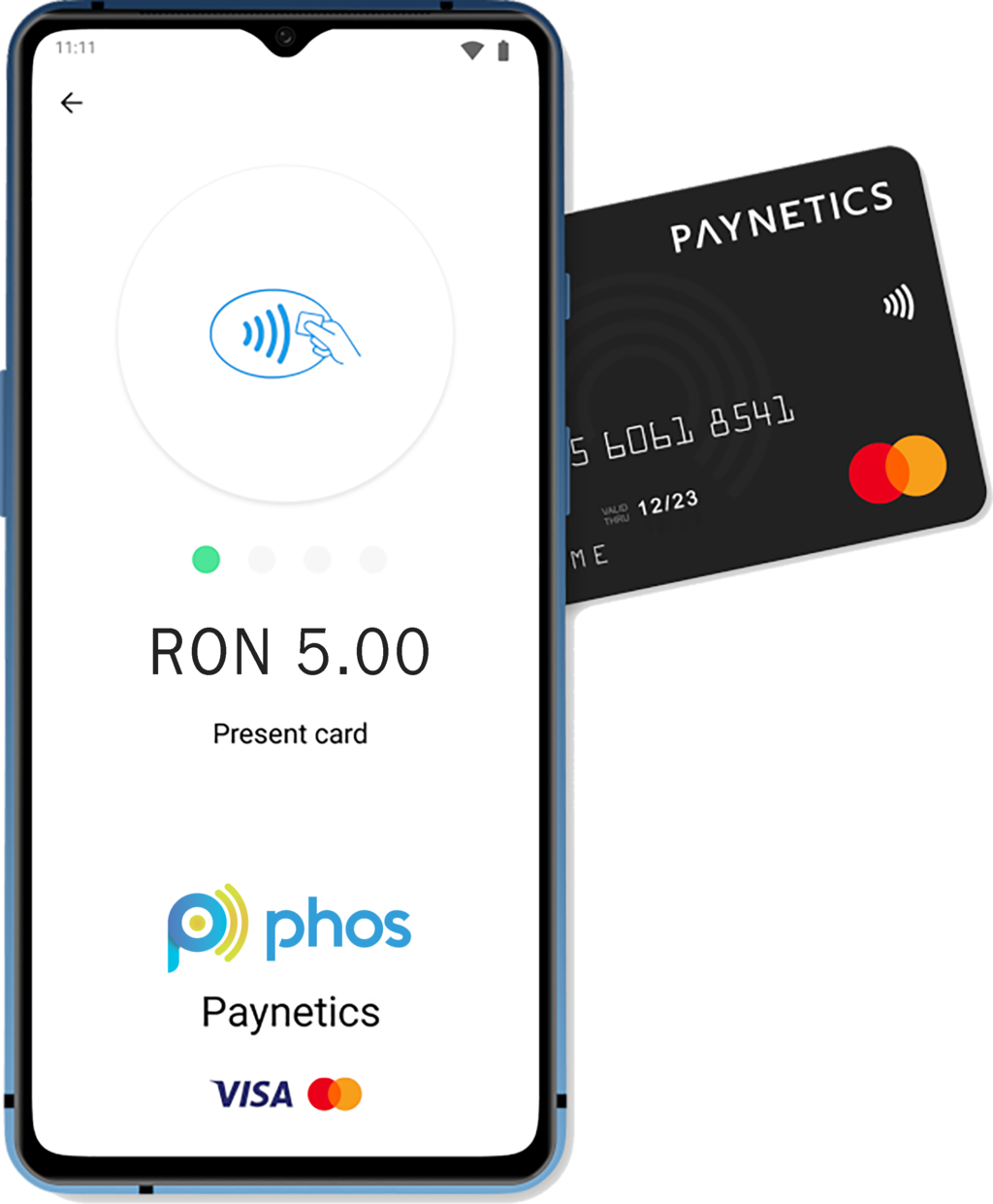
4 EUROPEAN COUNTRIES PAYMENT WITHOUT EXPOSURE WITHOUT ANDROID NFC AND PHONE
Merchants in 4 countries including the UK, Germany, Bulgaria and Romania will participate in testing the new mobile POS service (mPOS) to allow contactless payments to be accepted on Android mobile devices without the need for additional any “lock or hardware”. Mastercard has partnered with new software companies Phos and Paynetics specializing in mobile POS
Xem chi tiết
Thẻ chip mở thêm cơ hội đẩy mạnh thanh toán không dùng tiền mặt
Công ty cổ phần Thanh toán quốc gia Việt Nam (Napas) vừa chính thức phát thông tin bắt đầu chuyển đổi thẻ từ sang thẻ chip. Đây là sự nỗ lực trong chỉ đạo điều hành của NHNN Việt Nam cũng như Napas – đơn vị được giao làm đầu mối trong kế hoạch chuyển
Xem chi tiết
Thanh toán điện tử chiếm ưu thế
Nhiều người lựa chọn thanh toán không dùng tiền mặt khi mua sắm hàng hóa dịch vụ trong thời điểm dịch Covid-19 lây lan. Ngân hàng đua nhau giảm phí kịch sàn để người dân tăng cường sử dụng dịch vụ ngân hàng điện tử. Thay đổi thói quen, tâm lý người dân Nhằm thúc
Xem chi tiết
From 2020, there is no need for personal documents for medical examination and treatment with health insurance
For many years, identity card or other personal documents have been an integral part of medical examination and treatment records of health insurance. However, from next year, when medical examination and treatment, people have been able to ignore this type of paper. Medical examination and treatment procedures with current health insurance According to Article 15
Xem chi tiết
Application of smart chip cards in the transport sector: Vietbank deploys smart bus cards
Passengers can use the smart bus card to make inter-payment for all future public transport in the future. Vietbank has just organized an event to announce the successful implementation of the smart payment card project for public transport activities on December 26 in Ho Chi Minh City. According to Vietbank representative, the smart card payment
Xem chi tiết