Many countries around the world have been converting smart card usage into many different service industries such as Sim cards integrated payment in telecommunications, applications in automating bus ticket payment. , tram in the transport, electronic identity cards in the field of state management or the type of payment card of the banking industry ….
With more and more applications in various industries, smart card market is growing rapidly in the past few years. Smart cards are used most in telecommunications as a SIM card. However, applications in many other fields such as transportation, government, financial services are also invested and deployed because of the outstanding advantages of smart cards such as large data storage capacity, fast processing. Quick and effective data security methods.
According to RNCOS’s “Card Market Forecast to 2012” report, smart cards grew more than 10% in 2010 compared to 2009, in which the market was largely held by four major companies, Gemalto, Oberthur, Sagem Orga (Ingenico) and Giesecke & Devrient. Also according to this report, the number of smart card projects also increased worldwide with a high degree of diversity and high technology demand.
Moreover, the economic boom and high technical requirements in the field of digital security also increase the level of demand for smart cards. According to a study, the smart card market will achieve double-digit growth (CAGR of about 12%) between 2011 and 2013.
In the banking sector, the EMV card alliance (Euro Pay, MasterCard and VISA) is the foundation for many investment banks to deploy smart card issuance solutions. Around the world, countries have transitioned to the EMV system for a long time. Europe changed in 1996, typically France and England. Asia – like Japan and South Korea also conducted from 2003-2004. In Southeast Asia – Malaysia and Singapore were the first countries to convert their card payment systems to the EMV standard since 2005, followed by Thailand, Indonesia, Philippines and Vietnam. According to EMVCo, by the end of the first quarter of 2011, about 1.2 billion EMV chip cards have been issued and 18.7 million POS points accept EMV cards in operation worldwide. These figures are equivalent to 40.1% of the total number of payment cards in circulation and 71% of the number of POS installed globally.
Also according to this report, the expected average growth rate of contactless card technology from 2011 to 2013 is about 24% covering many different areas such as mobile payment, transportation or digital proof of goverment.
Tin tức khác

Chuyển đổi số phải đi kèm bảo mật rủi ro
Các ngân hàng đang tích cực chuyển đổi thẻ từ sang thẻ chip, và dự kiến sẽ hoàn tất việc chuyển đổi trong năm sau, theo lộ trình của Ngân hàng Nhà nước. Theo ông Nguyễn Trọng Đường, Phó cục trưởng Cục An toàn thông tin (Bộ Thông tin và Truyền thông), cùng với sự
Xem chi tiết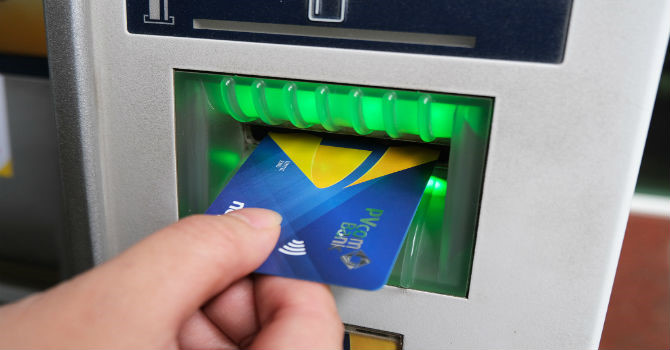
PVcomBank ‘chipizes’ local ATM cards
PVcomBank has just converted all bank ATM cards made from magnetic tape technology to the most advanced EMV chip technology, helping customers to transact safely and enjoy many modern payment utilities. Customers are assured when making financial transactions Domestic card (ATM) is one of the most popular payment methods in Vietnam today. Cardholders can use
Xem chi tiết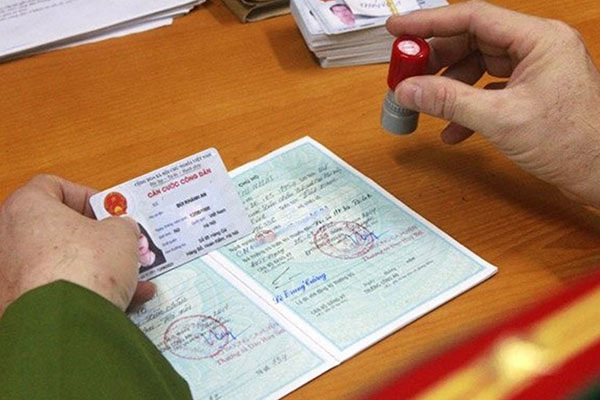
Thẻ CCCD gắn chip cần áp dụng công nghệ tiên tiến, bảo đảm an ninh
Bộ trưởng Bộ Công an sẽ quyết định mẫu, chất liệu thẻ căn cước công dân có gắn chip điện tử. Theo yêu cầu của Thủ tướng, thẻ cần áp dụng công nghệ tiên tiến, đảm bảo an ninh, an toàn. Thẻ căn cước công dân gắn chip điện tử sẽ hỗ trợ chuyển đổi
Xem chi tiết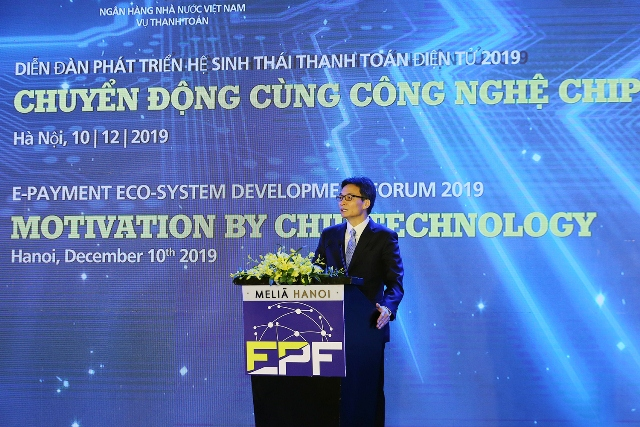
Deputy Prime Minister Vu Duc Dam: Health and education must implement non-cash payment by 2020
Deputy Prime Minister Vu Duc Dam said that the Government has instructed industries such as tax, insurance, telecommunications and electricity to apply non-cash payments …; in which two fields, education and health, must be implemented before 2020. At the Forum of developing electronic payment ecosystem 2019 with the topic “Moving with chip technology”, Deputy Prime
Xem chi tiết
What is 3D security on bank cards – Safety – 2020
Many online shopping fans come across a 3D-Secure security system specifically developed for Visa international payment systems and then for MasterCard users. But what is 3D-Secure? How to connect it? What are its advantages and disadvantages? Is it possible to ignore it? Does he save from the intrigue of intruders? Where can I find 3D-Secure
Xem chi tiết
Đẩy mạnh toàn diện nền tảng phát triển kinh tế không tiền mặt
Thanh toán không dùng tiền mặt là xu hướng phát triển tất yếu sẽ tạo ra tác động đa chiều, vừa mang lại tiện ích cho người dân, vừa tạo đà tăng trưởng kinh tế và đang được khuyến khích đẩy mạnh. Đầu năm 2020, Thủ tướng Chính phủ đã phê duyệt Chiến lược tài chính toàn
Xem chi tiết