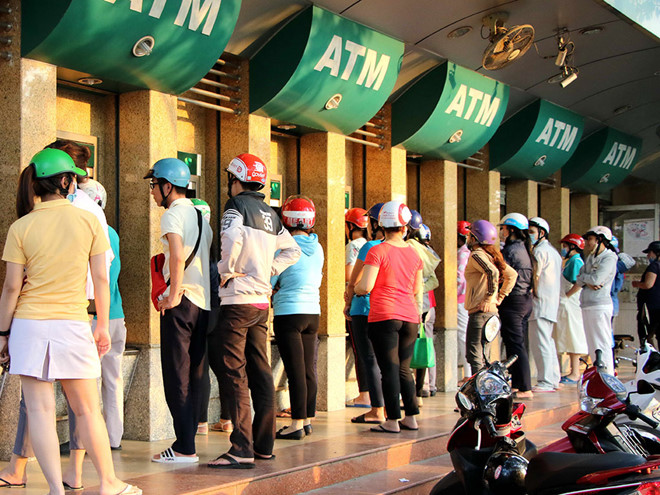
About 23 million domestic cards issued by local banks will have to complete conversion to chip cards within the last 6 months of 2019. By the end of 2021, all cards in the domestic ATM market are based on chip technology.
Convert about 23 million ATM cards
On the evening of May 28, Vietnam National Payment Joint Stock Company (NAPAS) and the first 7 banks (banks) including Vietcombank, VietinBank, BIDV, Agribank, Sacombank, TPBank, ABBank carried out the conversion and accepted the internal chip ATM card. Address for customers. There are also 22 banks registered to participate in the conversion of magnetic card to chip card for customers. The official issuance of domestic chip cards is considered by banks to be a solution for Vietnam to get rid of the “low-lying” area of international card crime recently.
In fact, many foreign criminal groups have installed devices that steal customer account information and make fake skimming cards. Many midnight cardholders have suddenly received messages from banks about withdrawals from their accounts, many of which are due to the loss of card information from skimming activities.
The reason that scammers easily copy card information because most domestic ATM cards have been issued today still uses magnetic tape technology. In fact, 10 years ago, international card organizations began issuing warnings that Vietnam’s card market is a “low-lying” area for card attackers to attack if they continue to use magnetic cards. The solution to this situation is to convert the magnetic card into a chip card. This conversion is also one of the key solutions of the banking industry approved by the Prime Minister in the scheme of developing non-cash payment for the period of 2016 – 2020. The conversion roadmap issued by the State Bank for organize card payment until December 31, 2020 and for card issuers as of December 31, 2020.
According to NAPAS, the roadmap by the end of 2019 will be about 23 million ATM cards out of a total of 75 million cards in the market will be converted to chip technology. While the data published from the State Bank, the number of ATM cards on the market as of the first quarter of this year is 158 million cards, if counting 30% of cards to be converted from now to the end of the year according to the roadmap, the number of cards must be The conversion can be over 47 million cards.
Dr. Vo Van Khang, Vice Chairman of the Southern Information Security Association, said that the use of chip cards can limit the current common attacks. For example, when using a magnetic card, the attacker just need to through a device to steal cheap ATM card information to quickly get all NH card information. At the same time, the capacity of the chip will be much larger than that of magnetic tape, so in the long term to integrate many other services such as customer identification, customer service … More, according to regulations long ago of international card payment organizations, if a dispute occurs, banks using lower technology will suffer. So when many countries have switched to chip cards for a long time, the implementation of the domestic NH system is necessary.
Who incurs conversion costs?
The problem that customers are most interested in right now is the conversion fee who will pay for the card. Currently, according to the announcement, the cost of chip card billet is about 1.5 – 2.5 USD / card, calculated about 35,000 – 58,000 VND / card, so the cost for the conversion of 23 million cards this time 800 – 1,300 billion copper.
Further exchanging with Thanh Nien, Sacombank’s representative estimated that it would have to convert about 1.2 million cards in the remaining 6 months of the year out of a total of more than 4 million cards issued. In order to achieve this plan, although the cost of issuing chip cards is many times higher than that of magnetic cards, Sacombank is expected to be free for old customers with high sales transactions. The remaining customers did not change the chip card issuance fee and annual fee … Particularly for devices that accept cards, Sacombank has 100% of ATMs (about 8,000 machines) accept domestic chip cards, and nearly 1,100 POS are expected. by June, 100% of the devices accepting domestic chip cards and 50% of POS machines will accept the feature to allow contactless payment transactions (contactless, cardholders only need to “wave” the card through the accepting devices). The card takes about 1/3 second and does not need to sign the receipt confirmation in the transactions from 1 million or less). Some other banks still do not have detailed plans related to conversion fees, many banks are “looking” for fees.
Previously, to promote the conversion of this card, from the 1.5th day, NAPAS reduced from 47 – 80% of switching service fee (depending on transaction type) for member banks to complete technical conditions. Mr. Pham Quang Minh, Deputy General Director of NAPAS, said: The number of published State Bank cards should be accumulated, including dead cards (cards issued but not used – PV). This conversion will filter out the number of cards currently in circulation to standardize the data. Similarly, when the bank changed PIN, a bank from 5 to 6 million cards was issued, but when it was reduced to about 3 million cards, the remaining card number was “dead”. NAPAS estimates that the number of “live” cards on the market is currently around 75 million.
Regarding the cost of making the conversion, according to Mr. Pham Quang Minh, will depend on the policies of banks, NAPAS does not decide this issue. However, the cost of chip cards only accounts for a small proportion, about 2-3% of the total issuance cost. The most costly is still the cost of building a set of domestic card standards that this has been implemented by NAPAS for banks. Currently many countries around the world have converted to chip cards, banks in the country have recently suffered damage compensation when customer accounts lose money, so if you do not make the switch, you will suffer operational risks. Therefore, banks will surely achieve the conversion plan from now to the end of the year.
(Source: Thanh Nien Newspaper)
Tin tức khác
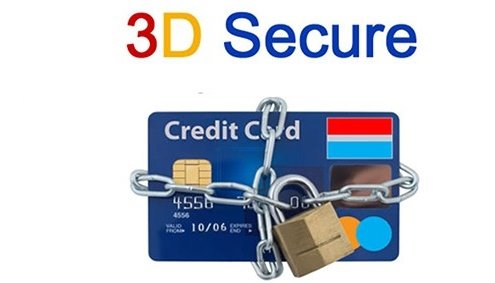
Advantages of 3D-Secure 2.0 security technology
3D-Secure is an extra layer of protection for Vietcombank cardholders to enhance safety, security and convenience when making transactions online. With this method, when performing transactions on e-commerce websites, besides normal authentication steps, Vietcombank will send an additional one-time transaction password (OTP) via text message or email for customers to enter and complete the transaction.
Xem chi tiết
Dấu ấn đậm nét về dịch vụ thẻ Vietcombank năm 2020
Việc Visa cùng lúc trao 4 giải thưởng về chi tiêu và thanh toán thẻ cho Vietcombank một lần nữa khẳng định chất lượng dịch vụ thẻ nói riêng và các sản phẩm bán lẻ của Vietcombank nói chung trong năm 2020. Như Lao Động đưa tin, tổ chức thẻ quốc tế Visa vừa cùng lúc
Xem chi tiết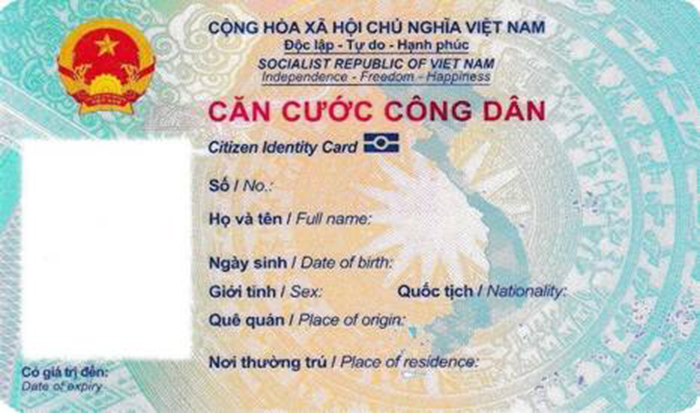
Regulations on the model of citizen’s identity card attached to electronic chips
The form of a Citizen Identification Card (CCCD) under Circular No. 06 has an electronic chip and stores basic information of citizens, with two languages in Vietnamese and English. Circular No. 06/2021 / TT-BCA on the model of citizen’s identity card (Circular 06), including 05 articles and takes effect from January 23, 2021, signed by
Xem chi tiết
Procedures to be issued with chip-attached citizen identification card
As a rule, when people make ID cards, they add chips in 4 convenient and fast steps. According to lawyer Nguyen Van Tien (Hanoi Bar Association), to create favorable conditions for citizens in the implementation of transactions, administrative reform towards the implementation of E-Government, Digital Government, Ministry of Public Security encourage citizens to change to
Xem chi tiết
NAPAS phải tiên phong mở rộng hệ sinh thái thanh toán điện tử
NAPAS cần chủ động mở rộng kết nối hệ thống chuyển mạch tài chính với hạ tầng dữ liệu điện tử của các cơ quan Thuế, Hải quan, Kho bạc Nhà nước, UBND các tỉnh thành phố, bộ, ngành, lĩnh vực như y tế, giáo dục để mở rộng hệ sinh thái thanh toán điện
Xem chi tiết
Chuyển đổi thẻ BHYT điện tử: Người dân được gì?
Trong giai đoạn chuyển đổi sang thẻ điện tử, BHXH Việt Nam vẫn bảo đảm đầy đủ các quyền lợi người bệnh Từ ngày 1-1-2020, cơ quan BHXH Việt Nam phát hành thẻ BHYT điện tử có gắn chip cho người tham gia BHYT thay cho thẻ giấy. Cũng từ thời điểm này, Bộ Y tế đặt
Xem chi tiết