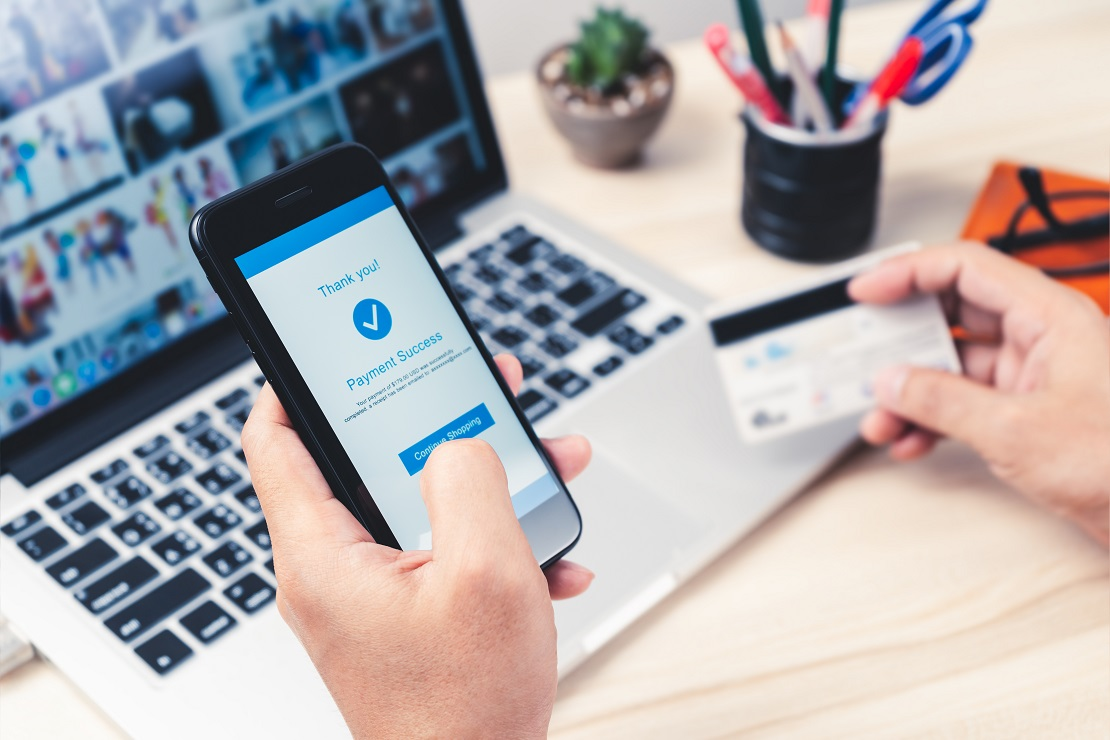
Taking advantage of Corona virus prevention messages sent to customers, high-tech criminals spread malicious code to steal or trick users into providing information by stealing transaction passwords. at the bank.
Recently, Vietnam Maritime Commercial Joint Stock Bank (MSB) issued a warning to customers who are wary of criminal activities that have taken advantage of propaganda to prevent the Corona virus disease and send emails to distribute malicious code (emotet). , …) or trick users into providing information with an email password.
Emails and phishing messages have titles and content related to the Corona disease, then ask the user to click on the link attached in the email.
When accessing the link or simply clicking open an email, a message, the user’s device is likely to be malicious code intrusion and information theft.
In some other cases, the subject requires users to provide Internet Banking login information to appropriate funds from the account.
MSB Bank said that like banks and other credit institutions never ask customers to provide a password in any case.
Therefore, customers do not access, do not provide electronic banking information (username, password, OTP) or click on the strange link attached in the email.
Similarly, the Bank for Agriculture and Rural Development of Vietnam (Agribank) has just issued recommendations to its customers when recently appeared some objects through fake websites, social networking sites. take advantage of reputation and brand of Agribank to collect and steal customers’ information.
These subjects will be sent via text messages, links with content such as: Online loan registration form of the bank; notify customers of winning prizes under the bank’s program; Notify customers receive money from abroad ….
After that, ask customers to access the fake link above and provide information about username, password, OTP code, card information or other personal information to confirm.
In addition, fraudsters can use the above tricks to require customers to install applications that steal login information, passwords, and OTP and then appropriate money in the account (especially for customers). with smartphone customers).
According to Agribank, at present, this bank has not implemented online lending products through sending messages, email, websites, social networks … Loans are made at working offices across the country.
Earlier, the Ministry of Public Security also issued information to be alert to frauds of high-tech crime.
Criminals use tricks of fake SMS messages (SMS Brand Name) to appropriate property in large amounts.
SMS Brand Name is a brand message, which is registered exclusively by organizations and individuals at telecommunications networks and used as a mass messaging service to customers, to take care of customers and promote. images, content announcements, new policies …
The tricks of the subjects will be from different sources, after obtaining the customers’ information from the banks, the subjects will send fake SMS Brand Name messages to that customer.
The content of these fake messages is always accompanied by links to fake websites managed by the subjects (these sites have names similar to the official websites of banks), so people can easily mistake them. , caught off guard.
When people access the link in the message content, the system will automatically display a fake website, interface, logo similar to the official website of the bank and be asked to fill in information such as : username, password, OTP code …
If the information is available, the object will control the customer’s online money transfer account and perform actions such as: transfer, credit card spending, online loan registration … causing damage to people who open accounts at banks.
(Source: Inspection Newspaper)
Tin tức khác

Ngân hàng phải báo cáo định kì kết quả chuyển đổi thẻ từ sang thẻ chip
NHNN đề nghị các tổ chức phát hành, thanh toán, chuyển mạch thẻ điện tử…nghiêm túc tổ chức triển khai áp dụng tiêu chuẩn cơ sở thẻ chip nội địa. Ngân hàng nhà nước Việt Nam (NHNN) vừa có văn bản đề nghị các tổ chức phát hành thẻ, tổ chức thanh toán thẻ, tổ
Xem chi tiết
Visa and NextPay promote cashless payment in Vietnam
Visa – the digital payment network and NextPay – a provider of digital transformation solutions for small and medium enterprises (SMEs) in Vietnam and signed a strategic agreement to promote cashless payment in Vietnam . The goal of the joint agreement of Visa and NextPay is to develop and expand the network of digital payment
Xem chi tiết
Thủ tục để được cấp thẻ căn cước công dân gắn chip
Theo quy định, người dân khi làm thẻ căn cước công dân gắn chip theo 4 bước khá thuận tiện và nhanh chóng. Theo luật sư Nguyễn Văn Tiến (Đoàn Luật sư Hà Nội), để tạo điều kiện thuận lợi cho công dân trong thực hiện các giao dịch, cải cách hành chính hướng tới thực hiện
Xem chi tiết
“Thanh toán điện tử giúp chống rửa tiền, chống tham nhũng”
“Thanh toán điện tử giúp chống rửa tiền, chống tham nhũng” Đó là khẳng định của Phó Thủ tướng Vũ Đức Đam trong Diễn đàn phát triển hệ sinh thái thanh toán điện tử năm 2019 với chủ đề “Chuyển động cùng công nghệ chíp” do Ngân hàng Nhà nước, Công ty Cổ phần thanh
Xem chi tiết
Xử phạt vi phạm luật giao thông: Đề xuất nộp phạt qua thẻ chip ngân hàng
Việc xử phạm vi phạm an toàn giao thông thông qua thẻ chip ngân hàng là cần thiết, phù hợp với xu thế chung… Mỗi năm có hàng triệu trường hợp vi phạm hành chính trong lĩnh vực giao thông, với số tiền phạt lên đến hàng ngàn tỷ đồng. Riêng 9 tháng năm 2019,
Xem chi tiết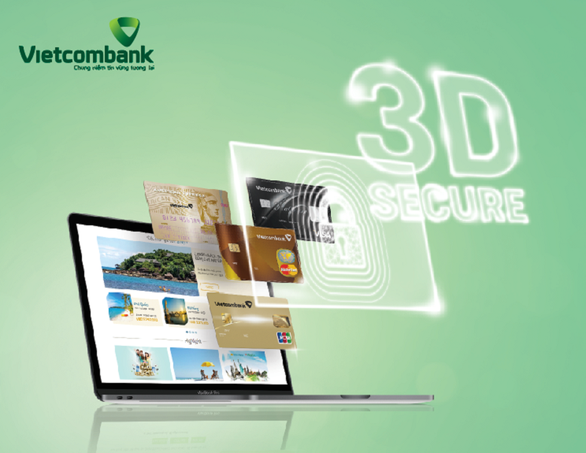
VIETCOMBANK LAUNCHED SECURE 3D SECURITY FOR INTERNATIONAL DEBIT CARD
In order to enhance the security when paying online by card, from October 1, 2019, Vietcombank officially implemented the 3D Secure security feature for international debit cards. So far, Vietcombank has implemented 3D Secure for all international credit and debit card products bearing the Visa / Mastercard / Amex / JCB brands issued by Vietcombank.
Xem chi tiết