Recently, some new tricks have appeared to steal money in a bank account. Therefore, people need to be very careful in banking transactions, especially at the end of the year, when criminals increase their activities.
Fake brand messages
In the past, the most common method of phishing was to use any phone number (junk SIM) to spread fraudulent content. But recently, fraudsters have changed the method, the trick is to fake brand messages – SMS Brand Name – of banks. More dangerous, these fake messages are stored in the same folder as the “real” brand messages of banks on a user’s mobile phone.
Therefore, the people and customers of the banks will be easy to mistake this as an official announcement from the banks or relevant agencies.
Be wary of super tricks, hacking money in bank accounts
Picture a bank hacked objects send Brand Name messages.
If people access the link in the message content, the system will automatically display a fake website, interface, logo similar to the official website of the bank and be asked to fill in information such as : username, password, OTP code, … When having the information, the subjects will control customers’ online money transfer accounts and perform behaviors such as: transfer, open overdraft, credit card topup, online loan registration.
Set up a “virtual” phone number
Currently, the group using high technology also has the ability to install a “virtual” phone number so that the victim’s phone will show the phone number of the police or the court. People check the number, so many people believe this is a real call from the authorities.
In particular, the crook also called several times with a fake hotline number similar to the hotline of the bank. And when customers call, they divert the call to the bank’s switchboard and track the call to get all the information data.
Impersonating bank staff
Recently, many subjects pretended to be bank employees and asked customers to provide personal information for personal gain.
Be wary of super tricks, hacking money in bank accounts
When accessing the fake website, the victim’s bank account information will be stolen.
With this general form, the victim will receive a message (via text message, email, chat via Facebook Messenger, …) with the content of winning notice or property division, asking for assistance to receive the reward, asset division accompanied by a request to click on links and websites provided by scammers to claim a reward. When accessing that fake website and logging in to Internet banking, the victim’s personal information and bank account information will be stolen and sent to the hacker to commit some illegal acts such as: appropriating money. in customers’ payment accounts, pay for goods or other illegal services.
Send an invitation to receive money from abroad
At the end of the year, crooks often send messages via phone, Facebook, Zalo, … with the invitation to receive money from abroad. They will then require access to the link, login to the Internet Banking account (name and password) and provide the OTP code.
When crooks get this information, they can change personal information, stealing money in the account.
Fake bank website
Recently, a VPBank credit cardholder lost more than VND 11 million in his account after accessing a fake bank link and inadvertently provided account information and OTP code to the crook.
Therefore, customers absolutely do not click on links provided by strangers, even if the link is sent from a friend (not excluding the case that their account has been hacked).
Using fake email to international card organizations
The bad guys also use the tactic of using fake emails sent from international card organizations: Visa, Mastercard, Amex, JCB … with the content of the rejected transaction notification, while customers do not make transactions via credit card, or email notification of your credit / debit card at risk, asking you to log in to the link provided by them.
If you follow suit, your login information, OTP code (one-time password) will be appropriated by crooks, which means that money in your bank account will “fly without wings”.
Notes to avoid losing money in bank accounts
Be wary of super tricks, hacking money in bank accounts
Guests should be careful with online transactions.
– Do not access strange, unidentified websites.
– Only login (username) and Internet Banking password on the official website of the bank.
– Keep banking information confidential. Do not give your username, password, OTP code, PIN to anyone, even if they claim to be a bank employee. (The Bank will never ask users to provide card information in any case.)
– When withdrawing money at an ATM, use your hands to cover the keyboard, and carefully check the card slot, keyboard to see whether it is loose or not.
– In case of payment by POS, absolutely do not give the card to the cashier to take away.
– For online transactions, customers are limited to using public wifi network, at cafes to log in; always download and update the latest security, antivirus and firewall software as well as the latest versions of applications provided by the bank; always exit banking services and applications associated with e-banking services and e-commerce websites immediately after completing the transaction.
– Make a habit of frequently changing Internet Banking login passwords, as well as ATM card PINs.
– Signing up for service of notifying fluctuations of payment account balance, savings deposit account, loan account is also a way to detect in time and minimize risks related to abnormal transactions.
– Need to set a high security password; Do not put in names and phone numbers, and should not give too clear information about your activities to avoid being exploited by crooks.
– If you lose your card or detect unusual transactions, you should immediately contact the bank’s switchboard or report an incident through the application or message to save time.
(Source: Vietnamnet)
Tin tức khác

Ngân hàng liên doanh nhập cuộc phát hành thẻ chip nội địa Premium
Thẻ chip Premium được kết nối với tài khoản thanh toán. Vì vậy khách hàng có thể sử dụng để rút tiền, chuyển tiền, thanh toán hàng hóa, mua sắm trực tuyến tại các Website thanh toán qua cổng Napas. Tuân thủ theo thông tư 16/KH-NHNN ngày 30/12/2015 về việc “chuyển đổi thẻ từ thành
Xem chi tiết
Opportunities to promote universal cashless payment
Before the event of online payment epidemic, it proved the advantage and this is an “opportunity” to develop non-cash payment methods. Does Vietnam take advantage of this opportunity or miss it? Special opportunity According to Minister of Information and Communications Nguyen Manh Hung, the Covid-19 translation is posing a great challenge for the country, because
Xem chi tiết
Thanh toán điện tử chiếm ưu thế
Nhiều người lựa chọn thanh toán không dùng tiền mặt khi mua sắm hàng hóa dịch vụ trong thời điểm dịch Covid-19 lây lan. Ngân hàng đua nhau giảm phí kịch sàn để người dân tăng cường sử dụng dịch vụ ngân hàng điện tử. Thay đổi thói quen, tâm lý người dân Nhằm thúc
Xem chi tiết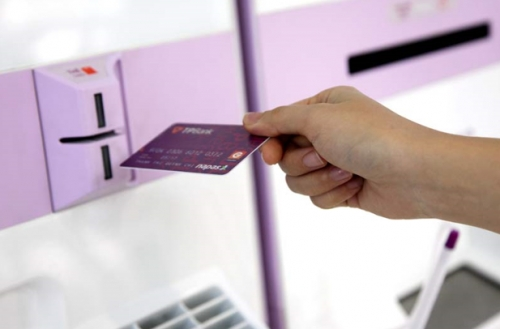
TPBank soon “finished” converting domestic chip cards
TPBank is the first bank to officially complete the system conversion, allowing the issuance and acceptance of local chip cards in Vietnam. According to TPBank, the entire ATM system and mPOS plus of this bank have completed the conversion to accept domestic chip cards and contactless chip cards for customers, two years earlier than the
Xem chi tiết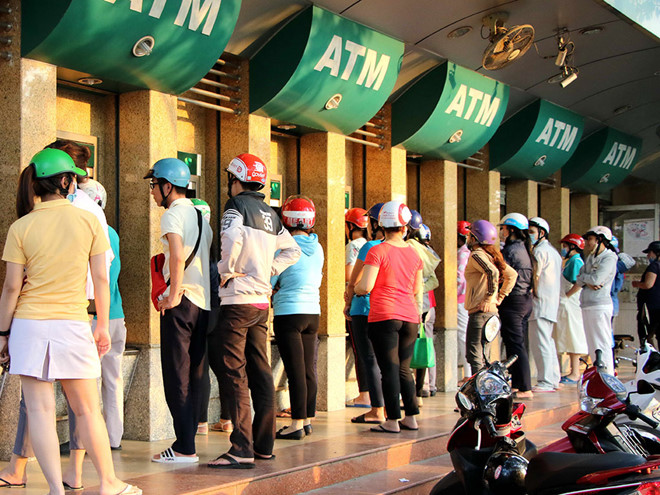
Ngân hàng đổi thẻ để chống trộm
Khoảng 23 triệu thẻ nội địa do các ngân hàng trong nước phát hành sẽ phải hoàn tất chuyển đổi sang thẻ chip trong vòng 6 tháng cuối năm 2019. Đến cuối năm 2021, toàn bộ thẻ trên thị trường ATM nội địa theo công nghệ chip. Chuyển đổi khoảng 23 triệu thẻ ATM Tối 28.5, Công
Xem chi tiết
Thẻ Visa (Visa card) là gì? Các loại thẻ Visa và lợi ích của chúng
Thẻ Visa (tiếng Anh: Visa card) là một loại thẻ thanh toán quốc tế, do tổ chức Visa liên kết với các ngân hàng trong nước phát hành, nhằm mục đích dùng để rút tiền, mua hàng trực tuyến hoặc thanh toán tại các điểm chấp nhận trên toàn thế giới. Thẻ Visa (Visa card)
Xem chi tiết