Vietnamese banks are starting to race to convert magnetic cards into chip cards. This transformation not only fulfills the requirement of the State Bank to be completed in 2020, but also to dominate customers, which are changing daily consumption habits.
Swipe cards are about to become outdated, “one touch” is the trend
Speaking at the Forum of Developing E-Payment Ecosystem 2019: Moving with chip technology took place on 10/12, Mr. Tu Tien Phat, Deputy General Director of ACB Commercial Joint Stock Bank said: exchange your bank’s chip cards like a track and field competition at SEA Games 30.
The conversion is not only to fulfill the commitment with the State Bank (to be completed in 2020) but also the most important to fulfill the commitment to customers: card products must be convenient, safe. Therefore, ACB is one of the first banks to complete the related roadmap to accept chip cards on 850 ATMs. It is expected that by the end of 2020, the whole POS system will be completely converted. ”
If with a magnetic card, the customer must make payment with a swipe, print an invoice, sign the chip card, just insert the “touch” card into the POS machine, the payment is completed, without any additional which procedure. Because of the convenience, the trend of swiping bank cards for payment has now become obsolete in many countries, while the one-touch payment trend has been crowned thanks to the strong development of chip card technology. .
In Vietnam, this transformation has been actively implemented by banks. Nguyen Quang Hung, general director of Vietnam National Payment Joint Stock Company (Napas), said that in May 2019, only seven banks were willing to convert chip cards and five white card suppliers (billet cards). ), but currently more than 20 banks are willing to convert and 6 units offer blank cards. By the first quarter of 2020, this number will reach 26 banks of 10 companies providing blank cards.
The game is expensive but cannot stand outside
Compared to many countries in the world, the conversion of magnetic cards to chip cards in Vietnam is quite slow, the biggest reason is the cost.
Mr. Nguyen Dinh Thang, Chairman of LienvietPostbank’s Board of Directors, said that investing in old technology needs a depreciation period, while, when applying chip cards, core card systems must change, terminal systems, ATMs, POS systems, etc., must be removed and invested in the system to recognize the chips. Not to mention, changing the chip card back for customers also takes time.
In the same opinion, according to Mr. Tran Cong Quynh Lan, Deputy General Director of VietinBank, when changing to a chip card, the bank has to change a series of machines, the cost of issuing a chip card is also much higher than a magnetic card.
However, banks have realized that it is necessary to convert and are determined to transfer magnetic cards to chip cards, turning challenges into opportunities. How can chip cards be integrated and synchronized to pay a lot of expenses such as education, health care and insurance, not merely from keeping ATM accounts.
Another problem is that for banks to be motivated to convert magnetic cards to chip cards, a cashless payment ecosystem is needed.
According to Director of Napas, to promote cashless payment, it must take place from two sides, the card issuing bank and retail stores, public payment facilities, and the place where the card is accepted will be completed by the ecosystem. correction. Napas is oriented towards the development of card payment which goes both ways.
“Napas and banks on the one hand convert magnetic cards into chips, on the other hand, with banks go to payment points to accept chip cards. Typically, the signing ceremony today has petrol, hospitals. Toan. All Vietnamese people buy gasoline, 99% use cash, cars use 1 million, motorbikes VND 50,000 – 80,000. In that limit contactless contactless card is very useful, you only need to touch the gasoline pump That is what Napas and the bank are looking for a big market like Petrolimex to popularize people to use cards, not just withdraw money, “Mr. Hung said.
Speaking at the Forum, Mr. Nguyen Kim Anh, Deputy Governor of the State Bank of Vietnam, affirmed that converting domestic payment cards from magnetic cards to chip cards is one of the tasks approved by the Prime Minister. approved at the Project on developing non-cash payment. Deploying this task, on October 5, 2018, the Governor of the State Bank of Vietnam issued a set of domestic chip card standards, specifying Vietnam’s domestic card specifications in accordance with EMV international standards, preventing prevent card counterfeiting in physical environment through ATM and POS channels.
Deputy Prime Minister Vu Duc Dam:
Vietnamese people have a saying that money is associated with the intestine, the security of payment in the currency with the people is practical. Promoting electronic payment, taking advantage of the digital economic opportunity, we promote and must make sure people benefit from participating.
We have to step up technology, moving towards all the integrated information, from identity, insurance, health, and banking to be connected and connected. And to do it, we have to try a lot, including considering the time and with the program, all poor people must have a Smartphone. Advocate to explain the participation of people
“The State Bank also wants the parties to enhance learning and exchange to promote the Vietnamese card industry in accordance with the world trend to ensure security, safety for sustainable development, and timely application of revolutionary achievements. Industry 4.0, bringing convenience to the people, creating favorable conditions for developers to develop new payment features, opening up opportunities for domestic cards to integrate internationally, “Deputy Governor Nguyen Kim Anh said.
At the Forum, Vietnam National Petroleum Group (Petrolimex) and Vietnam National Payment Joint Stock Company (Napas) signed a memorandum of cooperation to promote non-cash payments. Representatives of the Ministry of Health and hospitals also signed pledges for non-cash payments with banks.
(Source: Investment Review)
Tin tức khác

Chuyển đổi thẻ từ sang thẻ chip: Mục tiêu của ngành ngân hàng năm mới
Theo mục tiêu được Chính phủ đặt ra, đến năm 2020 tỷ lệ thanh toán không dùng tiền mặt phải chiếm hơn 30% trên tổng phương tiện thanh toán tại Việt Nam. Chuyển đổi thẻ từ sang thẻ chip với công nghệ bảo mật an toàn hơn là yêu cầu bắt buộc. Việc chuyển đổi
More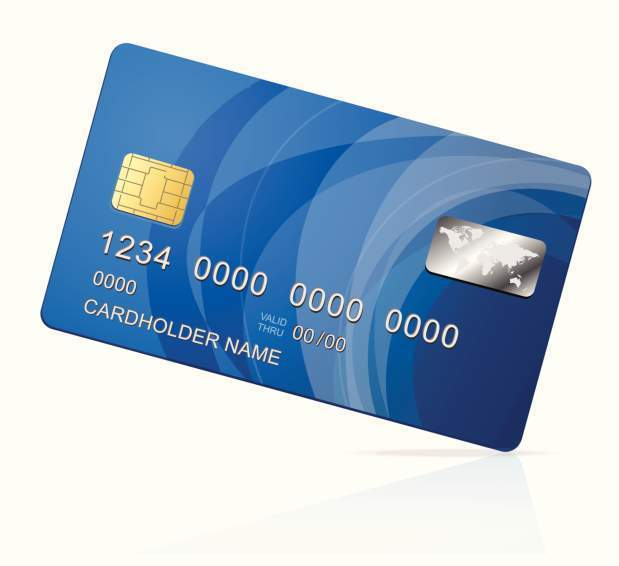
Thẻ chip EMV là gì? Tại sao nên dùng EMV thay cho thẻ từ?
Khi rút tiền/thanh toán bằng thẻ chip EMV thì bạn chỉ mất vài giây để giao dịch hoàn tất, thực tế quy trình xử lý giao dịch của nó rất phức tạp nên nó có bảo mật cực kỳ cao. Thẻ chip EMV là gì? EMV là viết tắt của Europay, MasterCard, Visa. Đây là liên
More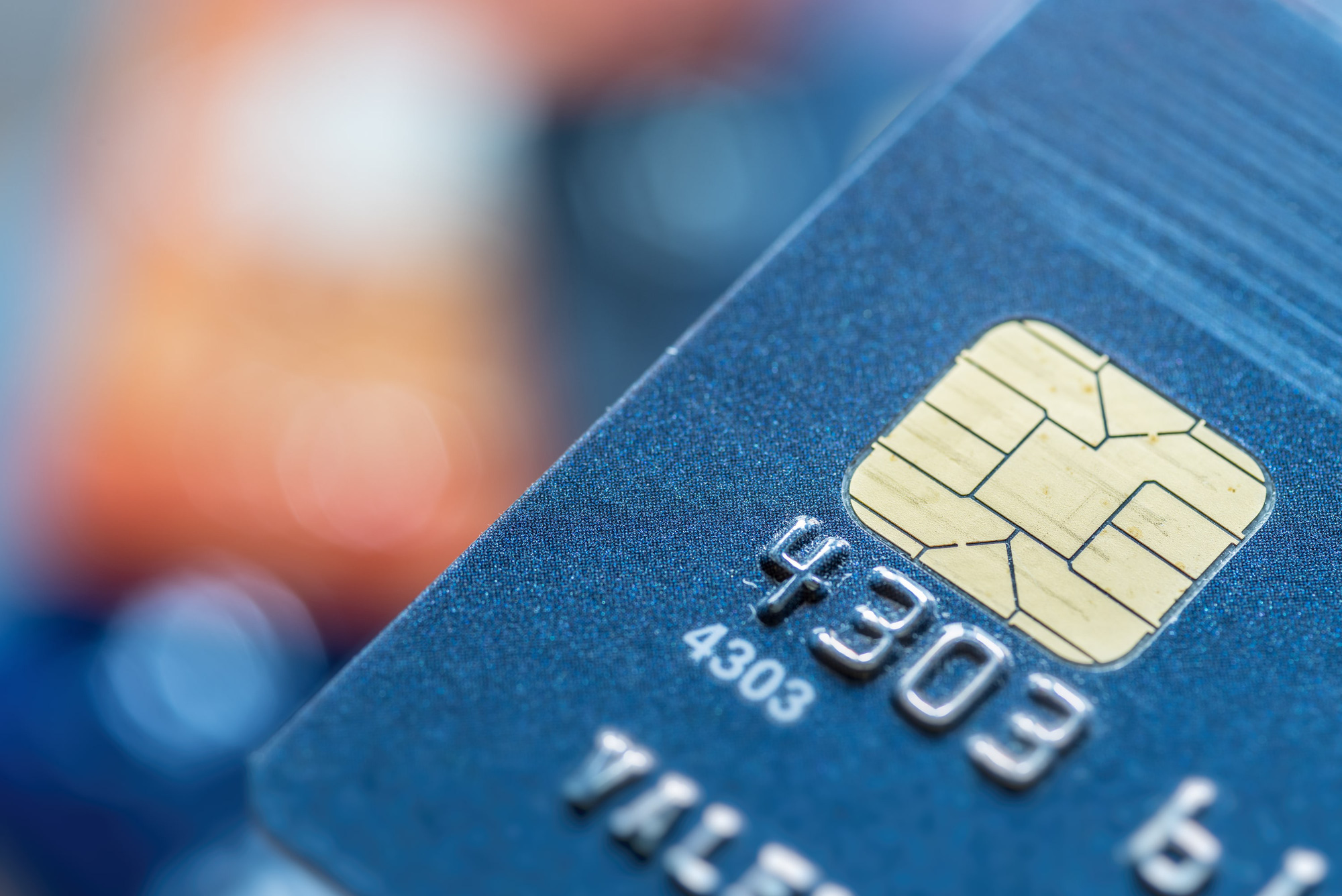
Thẻ chip (Chip card) là gì? Tại sao nên dùng thẻ chip thay cho thẻ từ?
Thẻ chip (tiếng Anh: Chip card) là thẻ ghi nợ hoặc thẻ tín dụng bằng nhựa có kích thước theo tiêu chuẩn và chứa một con chip nằm ở mặt trước thẻ. Thẻ chip (Chip card) Khái niệm Thẻ chip trong tiếng Anh có nhiều cách gọi như Chip card, smart cards, chip-and-pin cards, chip-and-signature cards, Europay
More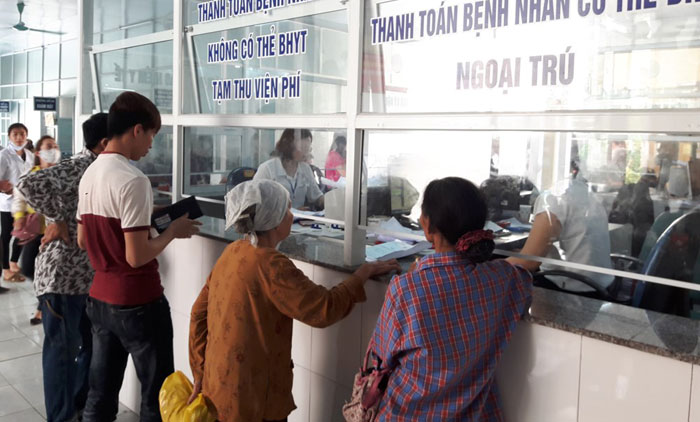
Nhiều tiện ích từ thẻ bảo hiểm điện tử
Theo lộ trình đã được đặt ra, từ ngày 1/1/2020, cơ quan bảo hiểm xã hội (BHXH) sẽ thực hiện việc cấp thẻ bảo hiểm y tế (BHYT) điện tử cho người tham gia. Nếu thẻ BHYT điện tử được phát hành, sẽ là bước đột phá của ngành BHXH, mang lại rất nhiều lợi
More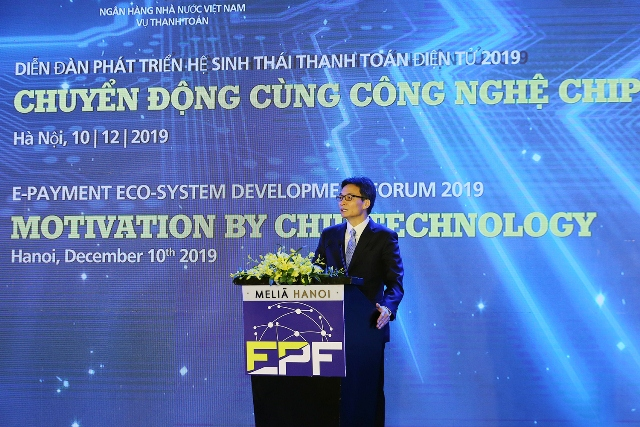
Phó Thủ tướng Vũ Đức Đam: Y tế và giáo dục phải triển khai thanh toán không dùng tiền mặt trước 2020
Phó Thủ tướng Vũ Đức Đam cho biết, Chính phủ đã có chỉ đạo các ngành như thuế, bảo hiểm, viễn thông, điện phải áp dụng thanh toán không dùng tiền mặt…; trong đó hai lĩnh vực là giáo dục và y tế phải triển khai trước năm 2020. Tại Diễn đàn phát triển Hệ
More
Be cautious of the wave of personal credit default due to the Covid-19 epidemic
The Covid-19 epidemic caused heavy losses to production and business activities, and accordingly, the number of unemployed also increased sharply, all cautious for credit card default may not be redundant. Fall into the “debt net” for using a credit card NTH, a new employee at a joint-stock commercial bank in Hai Ba Trung, Hanoi, said:
More