The State Bank has just released a draft to change the roadmap to convert magnetic tape ATM cards to domestic chip technology in the direction of mandating to stop issuing tape cards from 31.3.2021. Termination of issuance of magnetic tape ATM cards Specifically, extend the term of 100% ATM and card acceptance devices complying with chip standards to December 31, 2021 instead of December 31, 2020; From 31.3.2021 to issue chip cards, stop issuing magnetic cards instead of regulations until December 31, 2020 at least 60% of chip cards and December 31, 2021 are 100% of chip cards. The State Bank of Vietnam (SBV) explained that the reason for extending the time for installing chip-accepting devices to 100% by the end of 2021 is to match the actual progress of switching devices. Bank. According to data from the State Bank of Vietnam, as of the end of quarter 3/2020, the number of domestic cards in circulation on the market was 93.78 million. The number of ATMs is more than 19,500; POS / EFTPOS / EDC machines more than 280,400 machines. Previously, the Bank Card Association (NH) proposed the State Bank to consider extending the conversion route for both card issuance and payment (ATM / EDC) due to the amount of domestic card to be converted, the number of ATM / The need for new acquisition / replacement / upgrade by EDC in the market is huge. Not to mention, the costs related to the process of converting domestic chip cards according to the set roadmap are huge, such as the cost of equipping new ATM / POS, the cost of modifying and upgrading the card system / personalization system. cards, terminals, time, human resources in the transition and especially the cost of purchasing card billets (up to hundreds of billions of VND) due to the price of VCCS standard chip billet is much higher than price of ordinary magnetic card billet. With large conversion investment costs, banks have difficulty in calculating the effective balance of costs to approve procurement investment in accordance with regulations. Customers convert to protect themselves The conversion of magnetic tape to chip ATM card comes from improving the security and safety of the card, limiting the criminal situation of installing devices on the bank’s ATMs to steal customer data and then counterfeit the card. Withdraw money in a client account (skimming). Vietnam used to be considered a depression of card technology when using a magnetic ATM card. With the number of domestic cards of 4.3 million in the market, Mr. Nguyen Minh Tam, Deputy General Director of Saigon Thuong Tin Commercial Joint Stock Bank (Sacombank), said that the conversion rate of the bank’s magnetic card to chip is still properly ensured. progress as prescribed. It is likely that by the end of next year, Sacombank will achieve the target. Particularly, Sacombank’s ATM and card acceptance devices have met the VCCS chip standard of 100% by the State Bank from the second quarter of 2019. Sacombank stopped issuing cards from domestically and switched to issuing 100% VCCS chip cards from October 2019. The most difficult problem is the problem of approaching hibernate customers, although this unit has deployed many channels for converting customers such as over the phone, at the counter … However, to be more efficient, it is very necessary to SBV’s support in the role of a manager, strengthening communication to the people to understand the benefits and implications of switching cards to chip. After December 31, 2020, magnetic tape cards are still used on Sacombank’s ATM and POS devices. “Customers should soon switch to chip cards because of higher security, more convenience in high-limit payment transactions, contactless payment methods for new VCCS chip cards. Since the chip card was issued, there is almost no fraud or disclosure of card information, making the cardholder safer in transactions. Sacombank will stop accepting cards from the date of specific instructions from the State Bank ”, Mr. Tam said. Source: https://thanhnien.vn/tai-chinh-kinh-doanh/gia-han-chuyen-doi-sang-chip-noi-dia-1318848.html
Tin tức khác
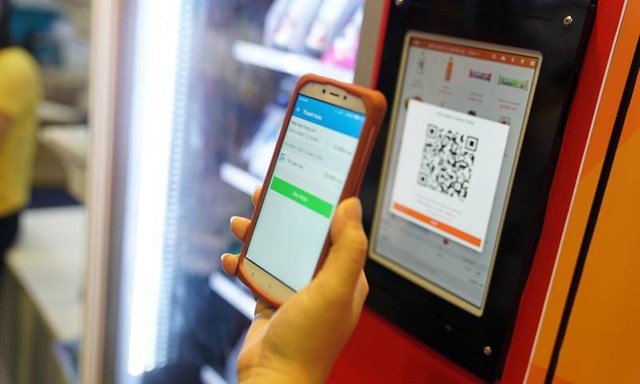
Paying by QR code is about to explode
According to a statistic, QR code payment is currently implemented by 18 banks such as BIDV, VPBank, Vietcombank, VietinBank, Agribank, TPBank, Maritime Bank, SCB, SHB …; Over 20,000 points use QR codes according to the common standards of the applicable banks, with over 8 million users. Benefits for consumers, businesses and banks will help QR
More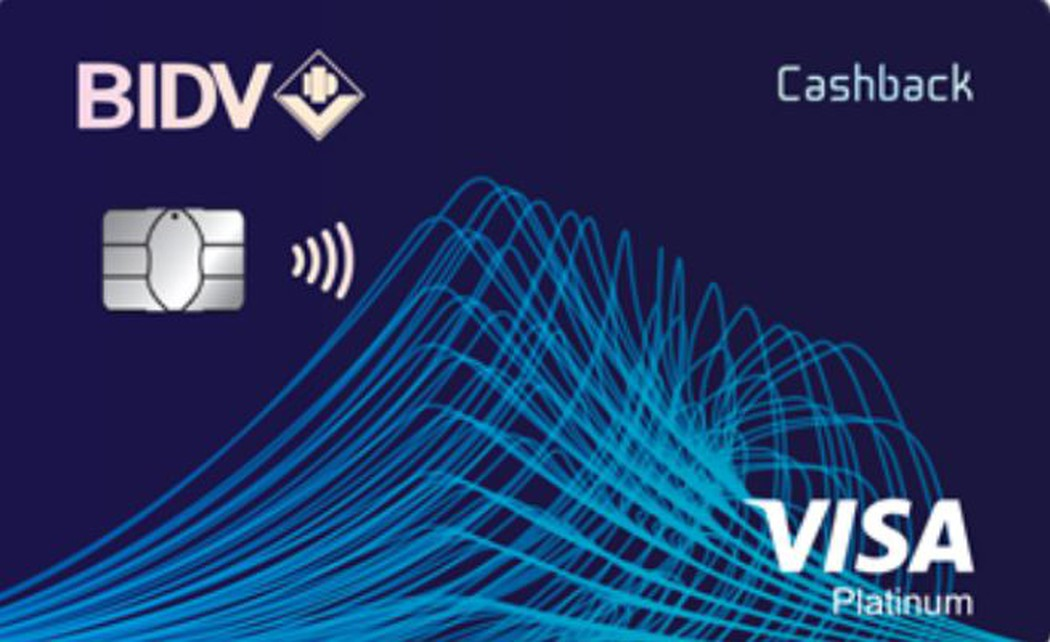
Xu hướng thanh toán Thẻ không tiếp xúc lên ngôi
Với nhiều tiện ích và độ bảo mật cao, thẻ contactless (thẻ không tiếp xúc) được dự báo sẽ là xu hướng thanh toán trong thời gian tới, đặc biệt trước bối cảnh dịch COVID-19 đang diễn biến phức tạp và những lo ngại về lây lan dịch bệnh khi sử dụng tiền mặt Tổ
More
Từ năm 2020, Sổ bảo hiểm xã hội không còn nữa?
Sổ bảo hiểm xã hội bao lâu nay đã quá quen thuộc với người lao động, là cuốn sổ ghi nhận quá trình tham gia bảo hiểm xã hội của người lao động, cũng là “bằng chứng” để họ được hưởng mọi chế độ theo quy định. Thế nhưng, có thể cuốn sổ này sắp
More
Ngân hàng Việt đầu tiên cho phép khách hàng dùng thẻ nội địa giao dịch tại Hàn Quốc
Bên cạnh thẻ ghi nợ quốc tế hay thẻ tín dụng, TPBank vừa cho phép tất cả các chủ thẻ nội địa có thể thực hiện ngay các giao dịch thanh toán, rút tiền ở thị trường Hàn Quốc. Ngân hàng TMCP Tiên Phong (TPBank) đã thực hiện thành công dự án kết nối liên thông 3
More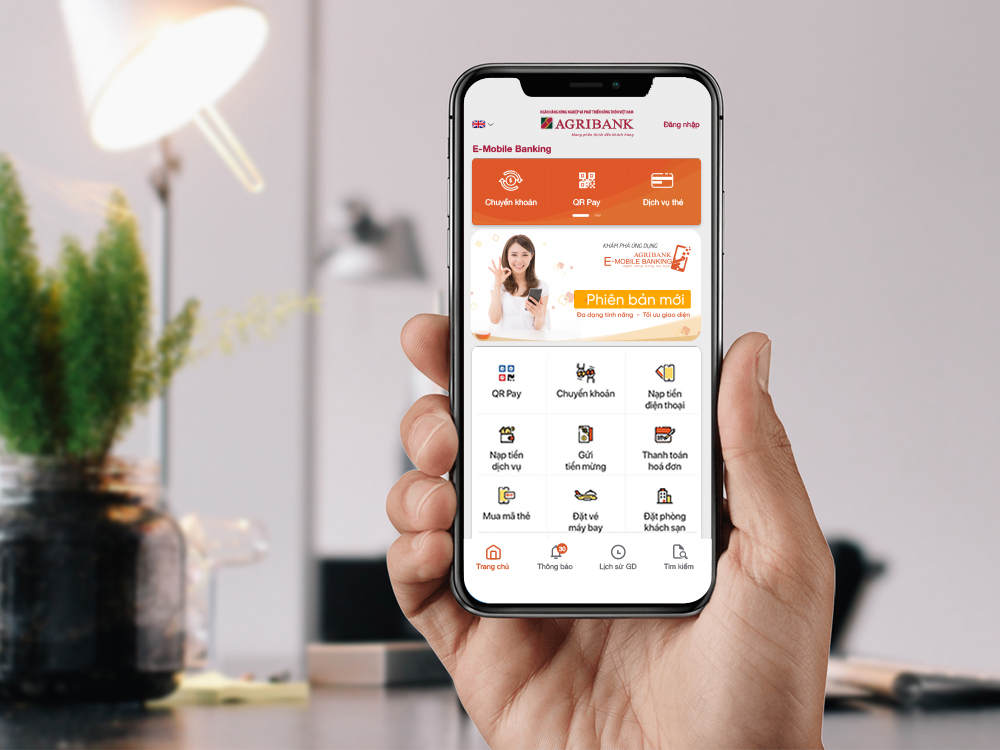
Cùng Agribank thanh toán không tiếp xúc, không tiền mặt tránh dịch Covid-19
Trước tình hình dịch viêm phổi virus corona đang có những diễn biến phức tạp, Agribank khuyến khích khách hàng giao dịch online qua dịch vụ ngân hàng điện tử Internet Banking, E-Mobile Banking hoặc sử dụng thẻ Visa/Master với công nghệ không chạm để tránh nguy cơ lây nhiễm. Agribank E-Mobile Banking Với ứng
More
Thẻ chip chuẩn EMV: Tổng quan những điều cần biết
Thẻ ATM sử dụng công nghệ chip điện tử kết nối thanh toán chuẩn EMV đã chính thức ra mắt tại 7 ngân hàng thương mại tại Việt Nam. Để giúp bạn đọc sử dụng thuận tiện, an toàn, thoibaonganhang.vn giới thiệu một số thông tin và những lưu ý đối với sản phẩm này.
More