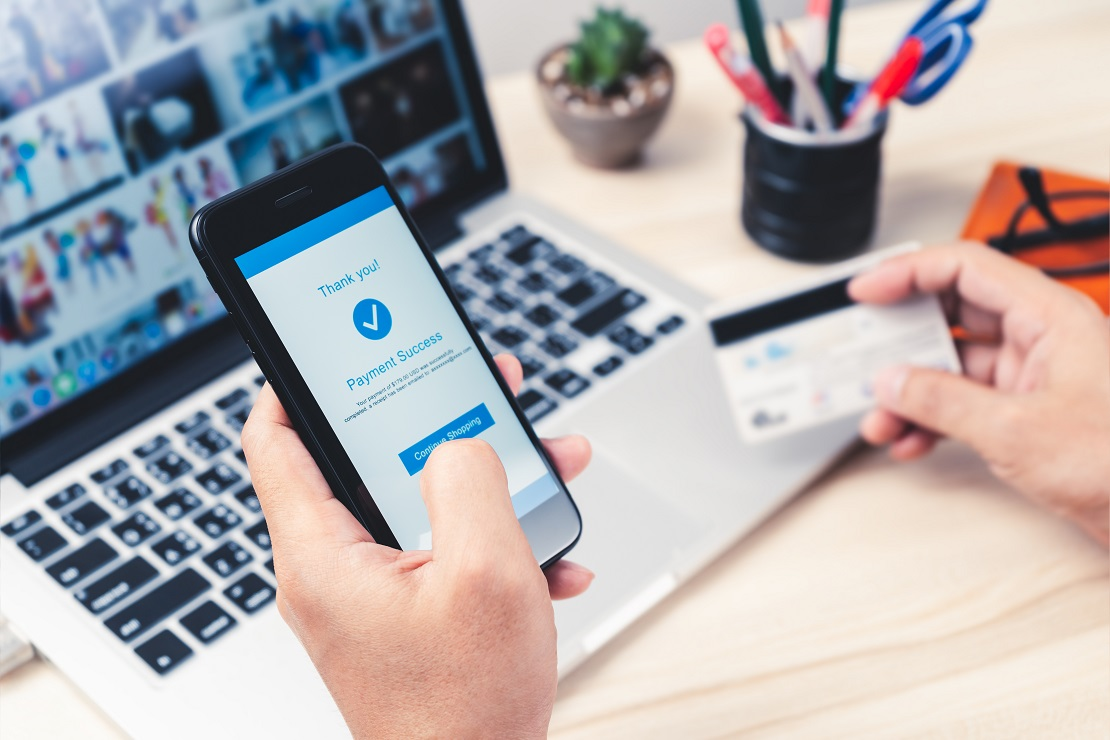
The State Bank of Vietnam (SBV) has just issued a document 6422 / NHNN-TT asking the State Bank branches in provinces and cities to perform some tasks to promote non-cash payments for public services.
The document stated, in order to implement the Government’s Resolution No. 02 / NQ-CP of January 1, 2019, on continuing to implement major solutions to improve the business environment and enhance national competitiveness. In 2019 and the orientation to 2021 and the Prime Minister’s Decision No. 241 / QD-TTg of February 23, 2018, approving the scheme to boost payment via banks for public services tax, electricity and water. , tuition fees, hospital fees and payment of social security programs (collectively referred to as public services), the Governor of the SBV requested the provincial and municipal branches to perform well the following tasks:
Proposing and proposing the People’s Committee of the province or city to issue a document directing public service-providing units in the locality (medical, educational establishments, social insurance agencies, clean water and electricity companies, administrative procedure-resolving agencies, ..) building an information technology system, application software capable of connecting to application software of banks, intermediary payment service providers for organizations and individuals to use non-cash payment method for public services.
Proposing solutions to the People’s Committee of the province and the city and coordinating with other departments, agencies and service delivery organizations in the area to apply non-cash payment options for public services, such as: : Schools, hospitals and public service providers announce their account numbers opened at banks for organizations and individuals to transfer payment for services equal to the payment services that the bank provides. supply goods (transfer money via mobile, make payment via electronic banking channels, ..); Schools, hospitals and public service providers install devices that accept cards, pay QR applications to allow parents, students, patients, residents, etc. to use mobile devices. , bank card for payment (similar to the payment of money to buy goods at stores, supermarkets); schools, hospitals and public service providers build an information technology system that records the information to be paid (amount, record code / customer, ..) for users to access. Access applications on the Internet, mobile and make payments through the utility’s payment products and services (payment via mobile devices, payment via the Internet, electronic wallets, payment services) menu, ..) similar to the payment of electricity bills, telecommunications charges … now.
At the same time, the Governor of the SBV asked the State Bank branches in the provinces and cities to direct the credit institutions in the area to study, apply reasonable payment service fee policy and deploy preferential and promotion programs. (for example: exemption and reduction of payment service fees for customers, health facilities, educational institutions, public service providers in the beginning of implementation; application of gift giving and earning programs , cashback, win lottery, etc. for customers who register for, use cashless payment services, …) to encourage public service providers and premium customers The first option is to use non-cash payment service when making payment for public service.
In addition, disseminating and timely and sufficiently informing customers about the procedures, operations and measures to ensure safety when making non-cash payment transactions in general and Non-cash payments for public services in particular.
The SBV Governor also asked the SBV branch in provinces and cities to strengthen the coordination with the media, press, credit institutions, payment intermediaries in the area to build up communication program on promoting cashless payments for public services, focusing primarily on health and education.
(Source: VGP News)
Tin tức khác
Đẩy mạnh chuyển đổi số
Đại dịch Covid-19 đã và sẽ làm thay đổi nhiều thứ. Riêng về chuyển đổi số, theo ông Ousmane Dione, Giám đốc Ngân hàng Thế giới tại Việt Nam, việc ứng phó dịch Covid-19 là chất xúc tác giúp Việt Nam thực hiện nhanh hơn Tại cuộc giao ban báo chí trực tuyến của Ban
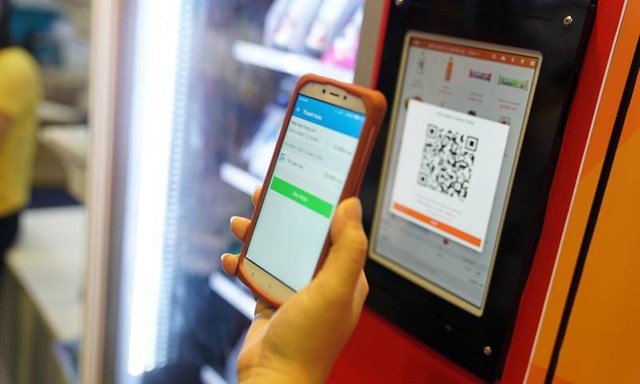
More Paying by QR code is about to explode
According to a statistic, QR code payment is currently implemented by 18 banks such as BIDV, VPBank, Vietcombank, VietinBank, Agribank, TPBank, Maritime Bank, SCB, SHB …; Over 20,000 points use QR codes according to the common standards of the applicable banks, with over 8 million users. Benefits for consumers, businesses and banks will help QR
More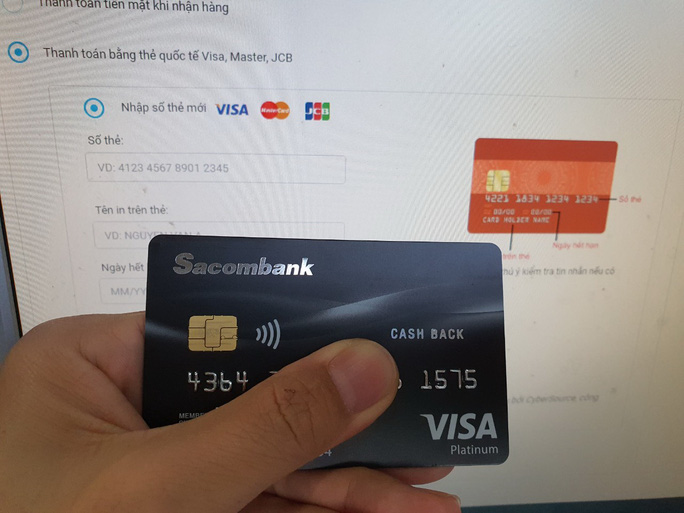
Đại dịch Covid-19 tạo cơ hội thúc đẩy sự phát triển của thanh toán điện tử
Thời gian đại dịch Covid-19 lây lan là giai đoạn khó khăn cho cả nền kinh tế nói chung và lĩnh vực tài chính ngân hàng nói riêng nhưng nó cũng tạo ra cơ hội thúc đẩy sự tăng trưởng của các hình thức thanh toán điện tử. Tổ chức tài chính ngân hàng và
More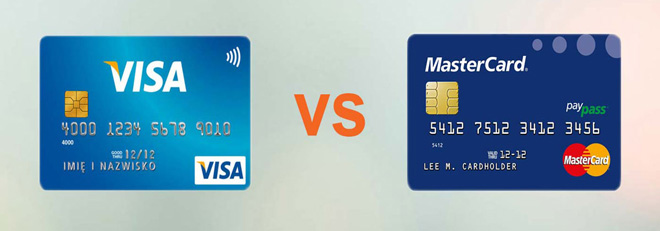
What is the difference between a Mastercard and a Visa card? What type of card should use?
Mastercard and Visa cards are two popular international payment cards lines in the world today. But what is the difference between a Mastercard and a Visa card that is so popular? Join us in the article below. 1. Differentiate Mastercard from Visa card Visa card is an international payment card issued by Visa International Service
More
Payment contactless
Contactless (contactless) by waving, tapping on the POS machine to pay, is a trend of non-cash payment is being used by many people, in addition to local swipe cards, international cards and Payment by QR code via mobile devices. This form is well received not only for its style and convenience, but also for its
More
Convert chip cards like … running track and field at SEA Games 30
Vietnamese banks are starting to race to convert magnetic cards into chip cards. This transformation not only fulfills the requirement of the State Bank to be completed in 2020, but also to dominate customers, which are changing daily consumption habits. Swipe cards are about to become outdated, “one touch” is the trend Speaking at the
More