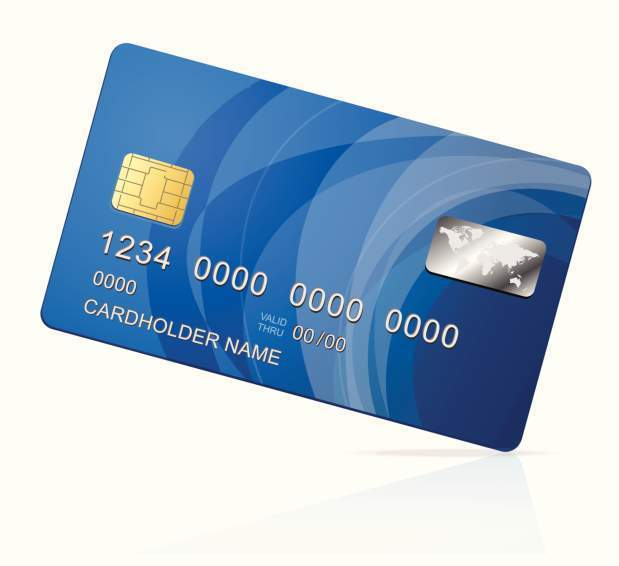
When withdrawing / paying with an EMV chip card, it only takes a few seconds for the transaction to complete, in fact its transaction processing process is very complex so it has extremely high security.
What is EMV chip card?
EMV stands for Europay, MasterCard, Visa. This is an alliance of card payment organizations in the world, so EMV cards are jointly developed by this alliance to replace magnetic cards.
EMV chip cards are electronic chip cards issued by international card organizations that are capable of storing and encrypting information with high security. The EMV card is fitted with a chip smaller than the phone sim, located on the front of the card just above the card number.
How to identify an ATM card with an EMV chip: There is a chip smaller than the SIM card, located on the front of the card.
Why should EMV be used instead of magnetic cards?
High information security
Magnetic card has a relatively low security, so it’s not surprising that the “raw” Skimming devices can also steal users’ ATM card information, causing a series of customers to suffer because of the money without wings … For this reason, we should switch to using an EMV chip card for greater peace of mind when withdrawing / paying.
Imagine plugging the card into an ATM and entering the PIN, the information is stored in the magnetic strip and will be transmitted as “bare” text, so just a regular scanning device will immediately know the PIN / card number … your.
As for the EMV card, the above information will be encrypted one step further, in the form of a digitized sequence in the binary format of the computer, and this encryption is constantly changing so suppose the hackers are lucky to decode and get If I were informed, it would be hard to reuse …
The principle works closely
Contrary to the magnetic card every time an EMV card is used for payment, the EMV chip will generate a unique and never-repeated transaction code. In case your card is stolen from a certain store, the fake card will never work because the stolen transaction code will not be reused, the card will be rejected.
For a successful EMV card transaction, you will have to go through two-dimensional complex verification steps from the device to the payment bank, Mastercard / Visa and the issuing bank. When licensed by all related organizations, the transaction is successful.
The processing of chip cards is a bit more complicated than magnetic cards because there is a more Visa / MasterCard organization involved in card verification, a closed process and a spinning circle but it only takes a few seconds to be accepted. Access to account by card, not much different from magnetic card.
Banks are offering EMV chip cards
Besides international banks such as HSBC, CitiBank … Vietnamese banks are also on the way to fully convert to EMV cards. There are many big banks introducing international credit and debit cards with advanced EMV chips such as: VIB, VietinBank, VietcomBank, Techcombank, ACB, Sacombank … In the future, surely all banks must switch to Chip card for the security and safety of customers.
Some notes when using EMV chip card
Do not withdraw money at ATM outside the system because of very high withdrawal fee (4% / amount, at least VND 50,000);
Only transfer within the system via ATM;
EMV card is an international card so it can be purchased online, used globally. You should also delete the CVV number on the back of the card;
The annual fee is only higher than the card from about 30,000 VND depending on the bank.
Tin tức khác

Việt Nam sẽ sớm trở thành quốc gia không sử dụng tiền mặt
Đó là khẳng định của ông Safdar Khan, thành viên kỳ cựu của Mastercard, người vừa tiếp nhận vai trò Chủ tịch phụ trách các thị trường mới nổi khu vực Đông Nam Á của tập đoàn này. Theo Nikkei, tại châu Á, trong cuộc chiến thanh toán điện tử, Visa và Mastercard đang đối
More
Thói quen rút tiền mặt từ ATM của người dân thay đổi
Theo báo cáo của Công ty Cổ phần thanh toán Quốc gia Việt Nam (Napas), nhiều người dân đã quen hơn với việc chi tiêu qua thẻ, ứng dụng ngân hàng, thay vì rút tiền mặt. Nếu như năm 2018, có 62% người dân dùng thẻ ngân hàng để rút tiền mặt, con số này
More
Did you know that contactless swipe?
Contactless payment was born, contributing to increasing the confidentiality and security of customers’ information during the transaction process, limiting customers being taken advantage of. Following the payment trend with QR Code, Contactless Payment is a modern payment method, which has just been deployed in Vietnam market recently. Compared with conventional cards, Chip cards with Contactless
More
Vietbank Digital: Hướng tới xã hội không dùng tiền mặt
Vietbank Digital đang hướng người dùng chuyển sang một xã hội thanh toán không tiền mặt, đồng thời góp phần ngăn chặn sự lây lan của dịch bệnh covid 19. Miễn toàn bộ phí đăng ký, phí thường niên, phí quản lý tài khoản và giảm phí chuyển khoản liên ngân hàng cùng với công
More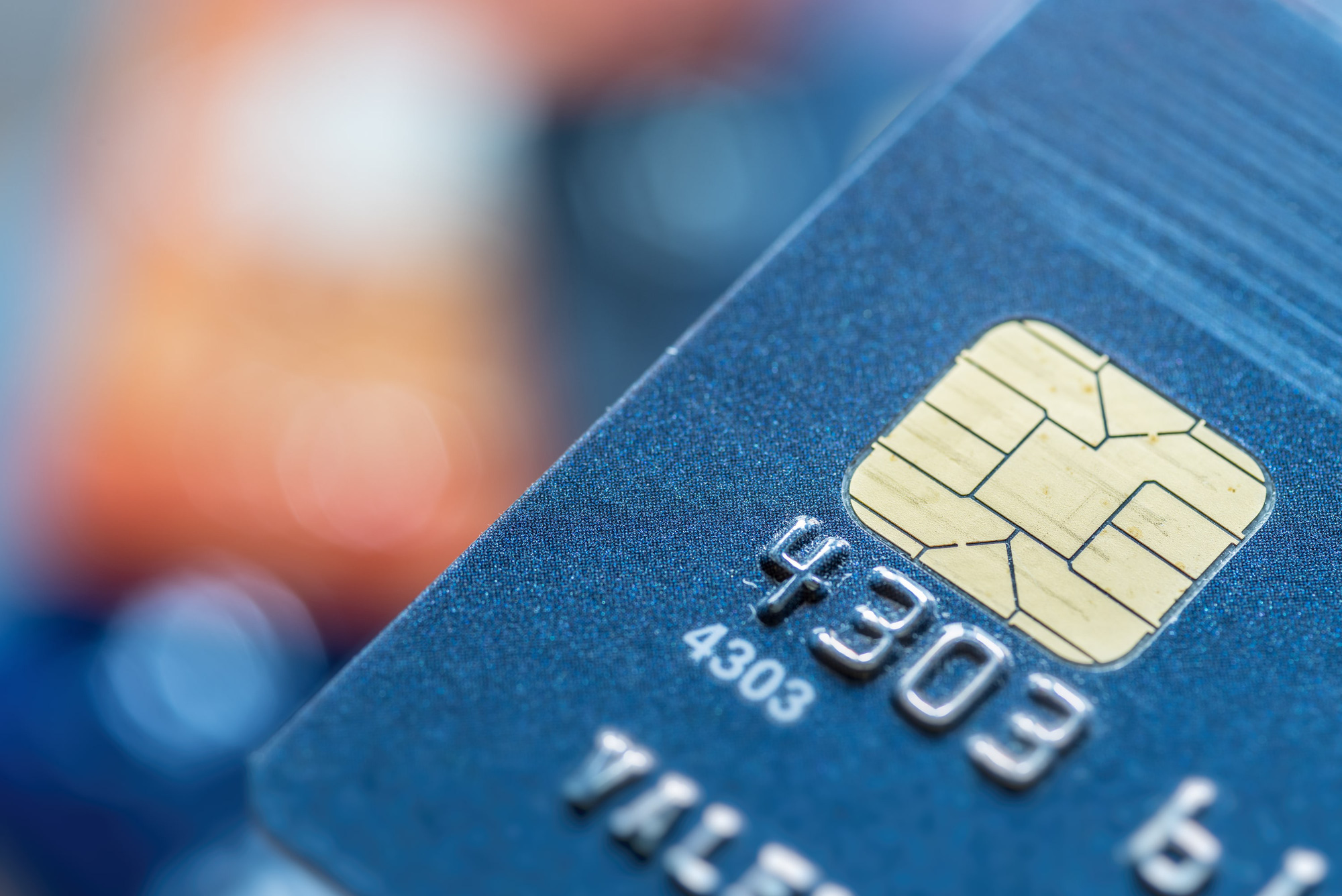
What is a chip card? Why use a chip card instead of a magnetic card?
Chip card (English: Chip card) is a plastic debit or credit card with the standard size and contains a chip located on the front of the card. Chip cards Concept Chip cards in English have many ways to call such as Chip card, smart cards, chip-and-pin cards, chip-and-signature cards, Europay – MasterCard – Visa (EMV)
More
NCB miễn phí đổi thẻ từ sang thẻ chip
NCB vừa phát hành và chuyển đổi thẻ từ sang thẻ chip đạt chuẩn VCCS cho dòng thẻ ghi nợ nội địa… Ngân hàng Thương mại Cổ phần Quốc Dân (NCB) vừa phát hành và chuyển đổi thẻ từ sang thẻ chip đạt chuẩn VCCS cho dòng thẻ ghi nợ nội địa. Theo đó, tất
More