Ready to convert
By the end of 2018, the SBV issued Circular No. 41/2018 / TT-NHNN, supplementing the basic standards on domestic chip cards, which are the basic set of the SBV’s standards on internal payment card technical requirements. geophysical and contactless technology in Vietnam; Specific route requirements for the conversion of all ATM cards made from magnetic cards to chip cards. Specifically, by the end of 2019, at least 30% of cards with BIN (card issuer code) issued by the State Bank of Vietnam from card issuers must comply with the local standard for domestic chip card cards. By the end of 2021, this ratio will reach 100%. Sharing the roadmap for converting magnetic cards into chip cards, Deputy General Director of Vietnam National Payment Joint Stock Company (NAPAS) Nguyen Quang Minh said that up to this point, the process of preparing for the process, lowering floors, resources, technology, … almost completed to be ready to support all commercial banks (commercial banks) in the process of converting magnetic cards to chip cards, as required by the State Bank issued at Circular No. 41. VCCS has also been developed by NAPAS according to a specific standard for the Vietnamese market, compatible with EMW international standards.
According to representatives of some commercial banks, from May 28, some banks started to release ATM cards made of chip technology with high security to replace the existing magnetic cards. In the short term, this year, 21 million ATM cards will be converted into chip cards, accounting for about 30%, by the end of 2021, all cards in the market will use new chip card technology. Information from NAPAS also shows that up to now, there have been seven banks participating in the conversion: Vietcombank, BIDV, VietinBank, Agribank, TPBank, Sacombank and ABBank. These are the banks with a large number of cards, estimated to account for about 70% of the total number of cards in the market. Also according to Mr. Nguyen Quang Minh, the application of chip card technology standards is necessary because it helps limit skimming (stealing information to make fake cards), or fraudulent transactions of individuals and organizations. Foreign institutions with bank accounts and cards. In addition, the application of chip card standards between credit institutions and payment service providers will bring many benefits to customers from payment speed to information security. “The advantage of contactless chip cards is that transactions are very fast, with small value transactions (estimated at less than one million) will not need to enter PIN / signing and still be able to trade,” he said. Nguyen Quang Minh stressed.
Increase ATM card security
Besides the conversion of magnetic cards to chip cards of banks, an issue that many cardholders are concerned about is whether they will cost money when converting. In fact, the cost to produce a chip card is quite much higher than a conventional magnetic card. Up to this point, there has been no official document of the parties regarding regulations on card conversion fees. However, according to sharing from some bank leaders, each unit will have its own policies for this issue. “In fact, the cost of making new cards accounts for only about 2-3% of card issuance costs. Therefore, the cost of converting a magnetic card to a chip card will not be as high as the issuance of a regular new card, ”said NAPAS leadership. Regarding conversion costs, Chairman of Vietnam Bank Card Association Dao Minh Tuan said: Banks will have to work with partners, calculate appropriate conversion costs. Banks themselves will also balance the cost of conversion to ensure efficiency and not affect the current card acceptance system. Therefore, the bank may be divided into several stages, giving priority to conversion for customers with regular transactions first. The conversion process is expected to be carried out step by step, not massively. In the immediate future, banks will conduct a review of the cards that are about to expire and new customers register. At the same time, it is exchanging rolling to not affect customers’ transactions.
According to General Director of TPBank Nguyen Hung, TPBank has soon completed the upgrade of its ability to accept chip cards simultaneously for both domestic and international card management systems, improving the security and convenience for customers to use. card. TPBank has also integrated contactless technology for both international and domestic cards, so customers do not need to swipe or insert the card into the slot on the POS / mPOS machine, just hold the card. At a glance, the device was able to read the information on the card thanks to the built-in antennas. In addition, a VietinBank leader also said that the bank has issued ATM cards using EMV chip technology. With EMV chip cards, the security of the card will be much higher than that of magnetic cards because card criminals cannot copy data to make fake cards and withdraw money, as they do with magnetic cards.
Tin tức khác
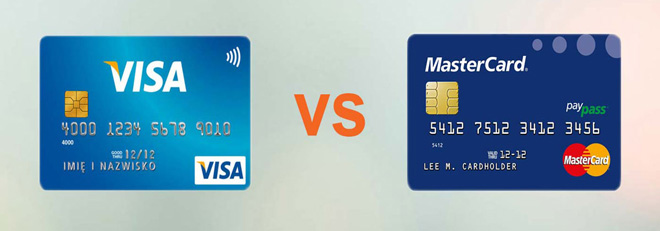
What is the difference between a Mastercard and a Visa card? What type of card should use?
Mastercard and Visa cards are two popular international payment cards lines in the world today. But what is the difference between a Mastercard and a Visa card that is so popular? Join us in the article below. 1. Differentiate Mastercard from Visa card Visa card is an international payment card issued by Visa International Service
More
Chuyển đổi thẻ chip – một trong những mục tiêu lớn của Ngân hàng Nhà nước
Theo lộ trình của NHNN quy định tại Thông tư số 41/2018/TT-NHNN, đến cuối năm 2020, có 100% ATM và thiết bị chấp nhận thẻ tại điểm bán đang hoạt động tại Việt Nam của tổ chức thanh toán thẻ phải tuân thủ tiêu chuẩn cơ sở về thẻ chip nội địa. Những chiếc thẻ
More
Thanh toán điện tử: Mạnh dạn tiến lên để không lỡ nhịp
Thanh toán điện tử tạo cơ hội để người dân tham gia nhiều hơn vào lĩnh vực ngân hàng, không bỏ lỡ những cơ hội do nền kinh tế số mang lại. Đây là vấn đề được Phó Thủ tướng Vũ Đức Đam trao đổi trong Diễn đàn phát triển Hệ sinh thái thanh toán
More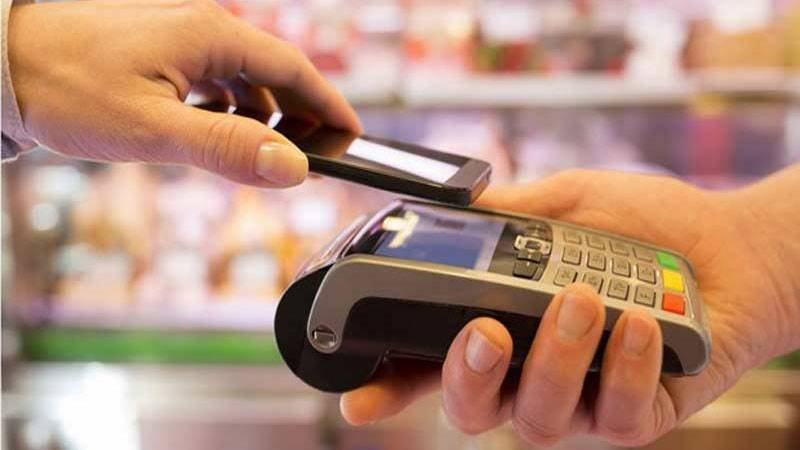
Breakthrough payment without cash
The SBV Governor has just issued Directive No. 01 / CT-NHNN on organizing the implementation of key tasks of the banking industry in 2020, in which the requirement to promote non-cash payment – a key solution in Resolution 02 of the Government. According to the Directive, implementing the Resolution of the National Assembly on the
More
Chuyển đổi thẻ BHYT điện tử: Người dân được gì?
Trong giai đoạn chuyển đổi sang thẻ điện tử, BHXH Việt Nam vẫn bảo đảm đầy đủ các quyền lợi người bệnh Từ ngày 1-1-2020, cơ quan BHXH Việt Nam phát hành thẻ BHYT điện tử có gắn chip cho người tham gia BHYT thay cho thẻ giấy. Cũng từ thời điểm này, Bộ Y tế đặt
More
Reduce the risk of transaction room payment COVID-19
Implementing Directive No. 01 / CT-NHNN of the Governor of the State Bank of Vietnam (SBV) requires the banking sector to step up non-cash payments, especially through bank payments for public services, for Up to this point, Techcombank is a typical commercial bank leading the promotion of non-cash electronic payment channels to both increase convenience
More