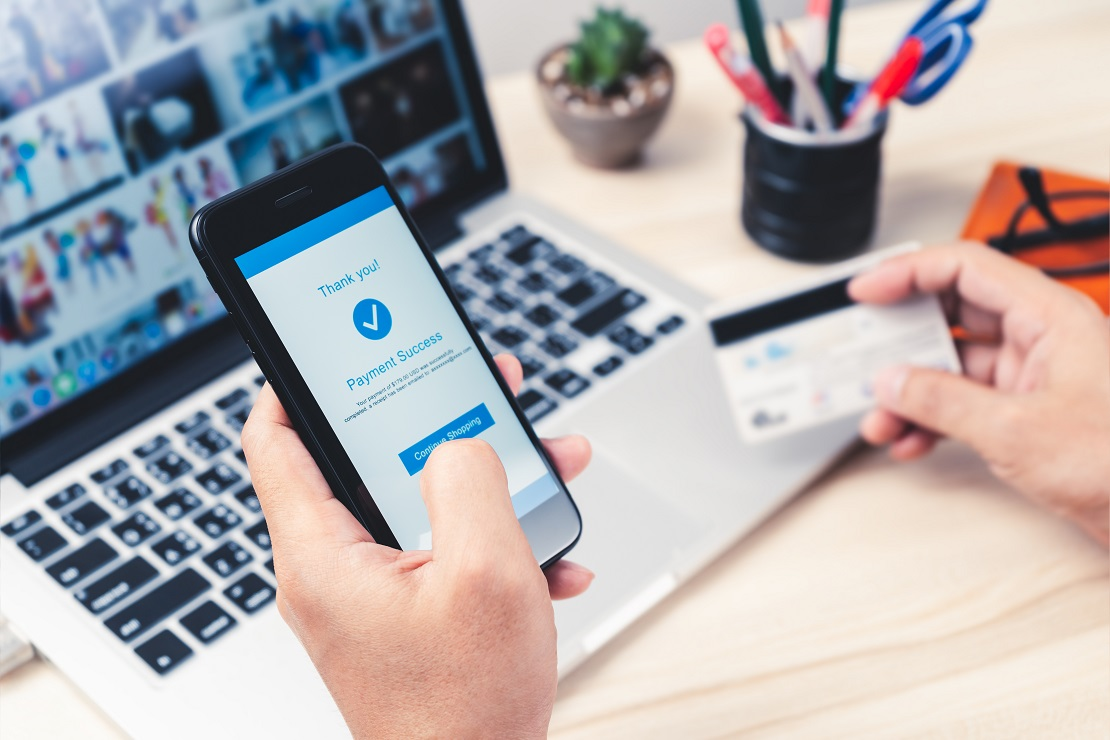
Taking advantage of Corona virus prevention messages sent to customers, high-tech criminals spread malicious code to steal or trick users into providing information by stealing transaction passwords. at the bank.
Recently, Vietnam Maritime Commercial Joint Stock Bank (MSB) issued a warning to customers who are wary of criminal activities that have taken advantage of propaganda to prevent the Corona virus disease and send emails to distribute malicious code (emotet). , …) or trick users into providing information with an email password.
Emails and phishing messages have titles and content related to the Corona disease, then ask the user to click on the link attached in the email.
When accessing the link or simply clicking open an email, a message, the user’s device is likely to be malicious code intrusion and information theft.
In some other cases, the subject requires users to provide Internet Banking login information to appropriate funds from the account.
MSB Bank said that like banks and other credit institutions never ask customers to provide a password in any case.
Therefore, customers do not access, do not provide electronic banking information (username, password, OTP) or click on the strange link attached in the email.
Similarly, the Bank for Agriculture and Rural Development of Vietnam (Agribank) has just issued recommendations to its customers when recently appeared some objects through fake websites, social networking sites. take advantage of reputation and brand of Agribank to collect and steal customers’ information.
These subjects will be sent via text messages, links with content such as: Online loan registration form of the bank; notify customers of winning prizes under the bank’s program; Notify customers receive money from abroad ….
After that, ask customers to access the fake link above and provide information about username, password, OTP code, card information or other personal information to confirm.
In addition, fraudsters can use the above tricks to require customers to install applications that steal login information, passwords, and OTP and then appropriate money in the account (especially for customers). with smartphone customers).
According to Agribank, at present, this bank has not implemented online lending products through sending messages, email, websites, social networks … Loans are made at working offices across the country.
Earlier, the Ministry of Public Security also issued information to be alert to frauds of high-tech crime.
Criminals use tricks of fake SMS messages (SMS Brand Name) to appropriate property in large amounts.
SMS Brand Name is a brand message, which is registered exclusively by organizations and individuals at telecommunications networks and used as a mass messaging service to customers, to take care of customers and promote. images, content announcements, new policies …
The tricks of the subjects will be from different sources, after obtaining the customers’ information from the banks, the subjects will send fake SMS Brand Name messages to that customer.
The content of these fake messages is always accompanied by links to fake websites managed by the subjects (these sites have names similar to the official websites of banks), so people can easily mistake them. , caught off guard.
When people access the link in the message content, the system will automatically display a fake website, interface, logo similar to the official website of the bank and be asked to fill in information such as : username, password, OTP code …
If the information is available, the object will control the customer’s online money transfer account and perform actions such as: transfer, credit card spending, online loan registration … causing damage to people who open accounts at banks.
(Source: Inspection Newspaper)
Tin tức khác
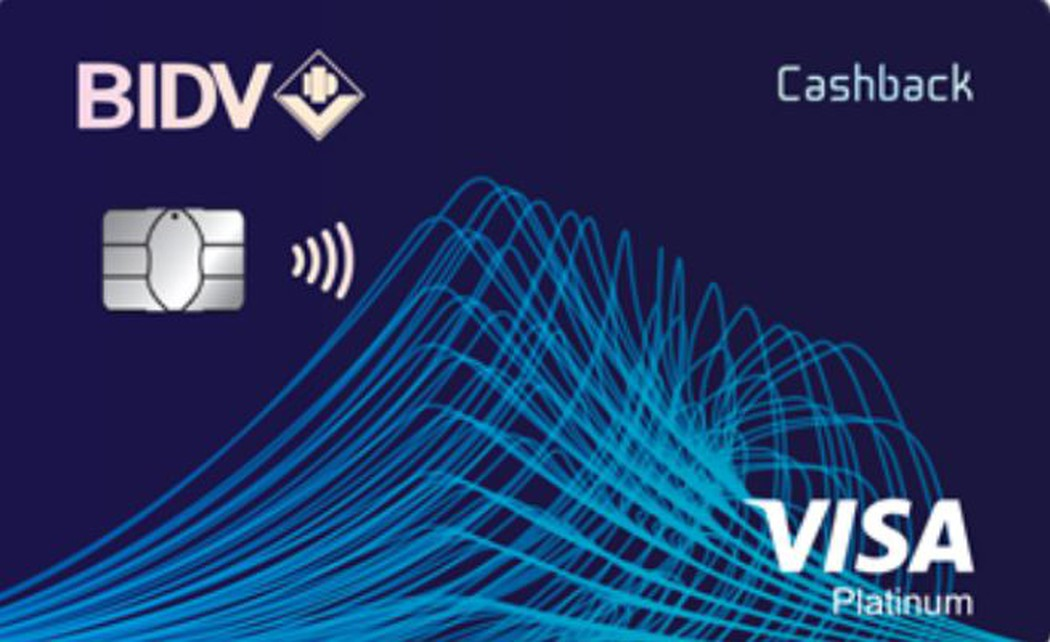
Payment trends Contactless card to the throne
With many utilities and high security, contactless cards (contactless cards) are forecast to be the payment trend in the near future, especially in the context of COVID-19 epidemic situation is complicated and concerns. about spreading the disease when using cash The World Health Organization (WHO) recommends using contactless payment – contactless or using smartphone applications
More
Không tiếp xúc: Xu hướng ngân hàng tương lai
Việt Nam có 41 ngân hàng với số lượng thẻ từ hiện tại vào khoảng 75 triệu thẻ; gần 280.000 máy POS – phần lớn đã tuân theo Tiêu chuẩn thẻ chip (EMV) và việc nâng cấp để hỗ trợ tiêu chuẩn thẻ chip nội địa không quá phức tạp. An toàn, bảo mật, đa
More
Surf, wave lightly the card can be paid on Vietbank Digital
Facing the complicated situation of Covid-19, Vietbank transactions will switch to online or limit contact to ensure safety for themselves, their families and the community. Recently, Vietnam Thuong Tin Commercial Joint Stock Bank (Vietbank) has successfully implemented CHIP / EMV cards, launched contactless payment via Contactless technology for domestic and international cardholders including customers. issuing
More
Chuyển đổi thẻ từ sang thẻ chip không ảnh hưởng tới giao dịch của khách hàng
Thẻ chip nội địa đáp ứng đầy đủ các yếu tố kỹ thuật về an toàn, bảo mật theo Tiêu chuẩn quốc tế EMV, hạn chế các rủi ro về gian lận giả mạo trong thanh toán thẻ, đảm bảo an ninh an toàn thanh toán cho khách hàng. Đây cũng là nền tảng quan
More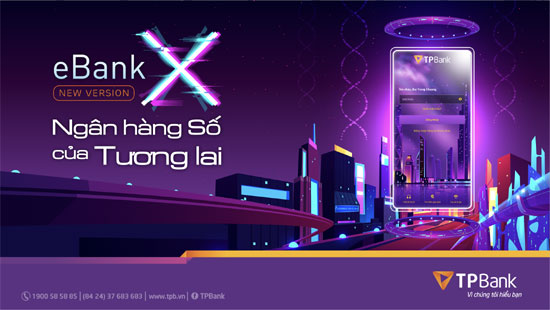
TPBank chi chục triệu đô nâng cấp ứng dụng eBank
Nhà băng gọi phiên bản internet banking mới là nền tảng ngân hàng số tương lai, tích hợp nhiều công nghệ mới như AI, machine learning… eBank X – phiên bản Internet Banking mới nhất của TPBank chính thức đưa vào hoạt động từ ngày 6/12. Bản nâng cấp mới được giới thiệu có nhiều
More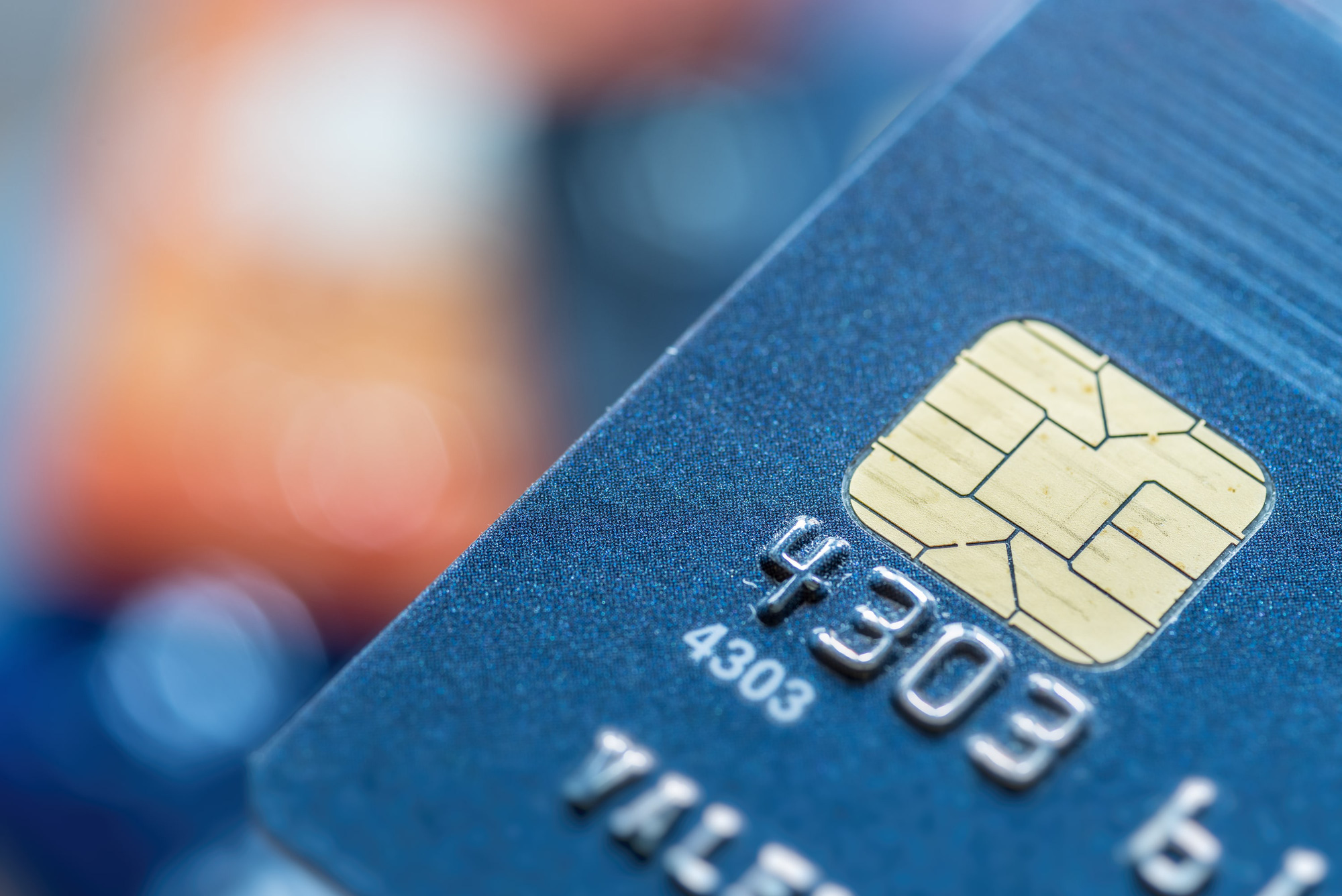
What is a chip card? Why use a chip card instead of a magnetic card?
Chip card (English: Chip card) is a plastic debit or credit card with the standard size and contains a chip located on the front of the card. Chip cards Concept Chip cards in English have many ways to call such as Chip card, smart cards, chip-and-pin cards, chip-and-signature cards, Europay – MasterCard – Visa (EMV)
More