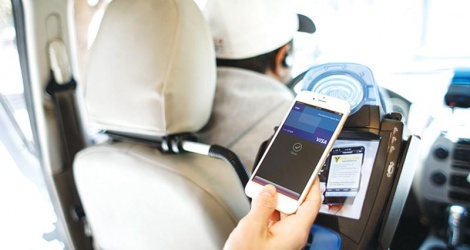
Passengers can use the smart bus card to make inter-payment for all future public transport in the future.
Vietbank has just organized an event to announce the successful implementation of the smart payment card project for public transport activities on December 26 in Ho Chi Minh City.
According to Vietbank representative, the smart card payment application for buses is built on the technology platform in line with the current trend in the world. The card incorporates openloop EMV chip card technology (open ecosystem) which is more secure than the magnetic card. The application on the identity management system of the executive unit and the clearing service of the bank creates a platform to connect various types of public transport.
“We invest in digital technology on the 4.0 technology platform to provide intelligent solutions that meet application development in public transport and other areas and customer needs,” the bank representative said. shared goods.
As a clearing bank, Vietbank applied smart and automatic payment pilot information technology for public passenger transportation by bus in Ho Chi Minh City. The project put into operation to improve the quality of passenger transport services, attracting people to participate in using public passenger transport, contributing to reducing congestion and traffic accidents.
Users are protected information security thanks to accurate technology, high security, and can also use the card to pay for shopping at stores, restaurants, shopping centers, online payment at home and abroad. .
In addition, the smart bus card project also helps the State management agencies and public transport operators to strictly manage ticket policies, manage inter-system types. Various public transport patterns.
“The smart card project contributes to reducing manpower costs and printing and issuing paper bus tickets, managing accurate, efficient and transparent revenues,” the bank representative commented.
Tin tức khác

Payment without cash: It is difficult for banks to transfer magnetic cards to chip cards
Chip cards enable local card issuers to expand their payment ecosystem into industries such as transport health and insurance. But banks say that converting magnetic cards to chip cards will incur additional costs. Converting domestic payment cards from magnetic cards to chip cards is one of the tasks approved by the Prime Minister in the
More
Giải pháp trong lĩnh vực ngân hàng
Cùng với sự phát triển thương mại toàn cầu, các ngân hàng và các nhà cung cấp dịch vụ thanh toán không ngừng tìm kiếm các giải pháp thanh toán mới để đáp ứng được các thách thức mà các điểm chấp nhận thanh toán thẻ gặp phải. Họ cần cung cấp các giải pháp
More
5 Nguyên tắc vàng giúp bạn sử dụng thẻ ATM an toàn
Đa số thẻ ATM được sử dụng hiện nay chủ yếu sử dụng công nghệ từ tính. Với công nghệ này, các thông tin thẻ có bị đột nhập và thay đổi một cách dễ dàng… ự ra đời của ATM đã tạo nên một bước đột phá lớn, thay đổi hoàn toàn thói quen giao dịch
More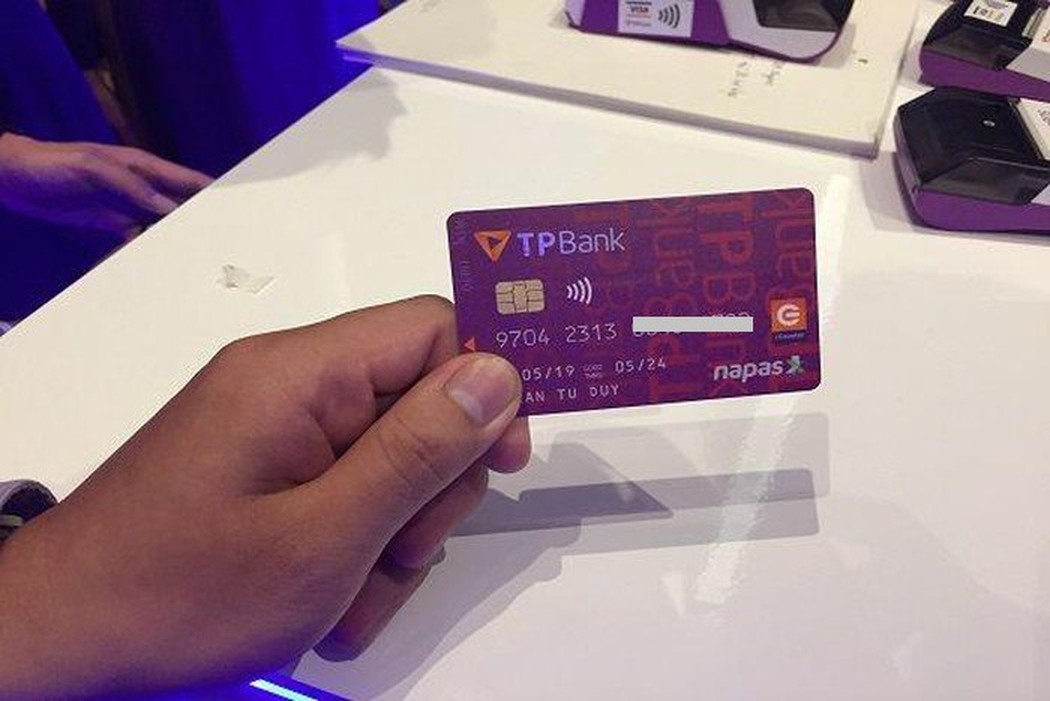
Vì sao cần phải sử dụng thẻ chip ATM
Tăng cường an toàn, bảo mật thông tin cao, hạn chế tối đa rủi ro về gian lận, lấy cắp thông tin thẻ (skimming)… là những ưu điểm vượt trội mà thẻ công nghệ chip mang lại. Thời gian gần đây, các ngân hàng đang cấp tập triển khai áp dụng thẻ ATM theo chuẩn
More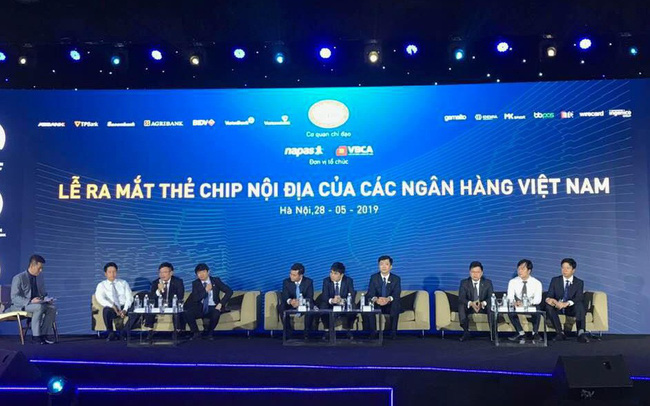
The first 7 banks converted magnetic cards into local chip cards
On the afternoon of May 28, Vietnam Bank Card Association cooperated with Vietnam National Payment Joint Stock Company (Napas) along with 7 banks namely Vietcombank, BIDV, Agribank, VietinBank, Sacombank, ABBank and TPBank announced launch of local chip card products of banks. Speaking at the event, Ms. Nguyen Tu Anh, Napas President, said that converting magnetic
More
Electronic payment without cash in medical examination and treatment is still inadequate
Non-cash payment in general and electronic payment in particular are an indispensable trend of the era, showing a civilized and modern society, bringing great benefits. However, the non-cash electronic payment for medical examination and treatment in Vietnam is still inadequate. People are not familiar with electronic payments Recently, the health sector has promoted the application
More